Ultra-photorealistic wildlife documentary
- فيديو
- 16:9
- 640 × 360
- 15.0s
وصفة التوليد
- النموذج
- Seedance 2.5
- المدة
- 15s
الموجّه
Ultra-photorealistic wildlife documentary, Raw, naturalistic, observational documentary feel — like a genuine, spontaneously captured predator encounter in an African savanna reserve. The footage is shot by an unseen camera operator standing near a tourist but never visible; the tourist carries no camera and serves only as a witness. The entire video maintains a second-person perspective, with no appearance of the camera operator's body, equipment, shadow, or reflection. Setting: An African savanna reserve with vast golden tall grass, scattered acacia trees, shrubs, a rutted dirt track, and distant low hills. A roughly 30-year-old American male tourist wears a light khaki sun-protection shirt, dark olive-green outdoor trousers, durable hiking boots, and a dark baseball cap. He stands at a safe observation distance at the edge of the dirt track, about 20–30 meters away, watching a lion pride and their prey. Natural African daylight is harsh, with slight airborne dust and heat haze. Realistic handheld documentary camera movement, occasional autofocus shifts, and an improvised yet clear composition. Continuous 15-second action: 0–3s: Medium-wide establishing shot. The tourist stands in the left foreground, leaning slightly forward, quietly observing the distant savanna. In the mid-right background, an adult male lion with a thick mane slowly emerges from beside an acacia tree, body low, eyes locked on a herd of zebras in the distance. The tourist whispers, "Man… look at that." The camera naturally shifts between the tourist's profile and the lion, preserving the witness's authentic reaction. 3–7s: The lion suddenly accelerates, charging along the edge of the tall grass and dirt track toward the zebra herd. Hooves kick up dust, zebras scatter in both directions, grass blades bent by the wind pressure of the high-speed pass. The camera instinctively follows the lion's movement, producing realistic handheld shake, slight defocus, and brief obstructions. The tourist remains behind the safety line, not approaching the animals, and says in surprise, "Did you see that?" His expression — wide eyes, raised eyebrows, tense breathing — is genuine, not exaggerated acting. 7–11s: The lion closes in on an adult zebra, front paws reaching forward; body weight and limb movement follow realistic predatory mechanics. The moment of contact is partially obscured by tall grass and dust — no graphic violence. The camera struggles to maintain tracking, with slight framing deviations and natural motion blur. The tourist watches from a safe distance, breathing heavily, and says, "No way… we're actually watching this." Spatial continuity between lion, zebra, and tourist remains believable. 11–15s: The predatory action concludes; lion and zebra separate. The lion steadies itself in the grass and begins to catch its breath, while the zebra herd regroups in the distance. The camera returns to a medium close-up of the tourist, with the savanna and lion still visible in the background. The tourist's eyes are wide, lips slightly parted; he looks at the animals, then toward the unseen camera operator, and says, "That was insane." The final second holds on his genuine shocked reaction, with distant lion roars, bird calls, grass rustling, and breathing continuing naturally. Visual & Camera Requirements: Ultra-photorealistic wildlife documentary, accurate lion and zebra anatomy, natural running weight distribution, believable dust and grass movement, harsh African daylight, slight heat haze, autofocus shifts, realistic handheld shake, imperfect framing, natural motion blur. One continuous take — no cuts, no time jumps, no slow motion, no cinematic score, no dramatic color grading, no obvious CG appearance. No text, no subtitles, no logos, no watermarks.
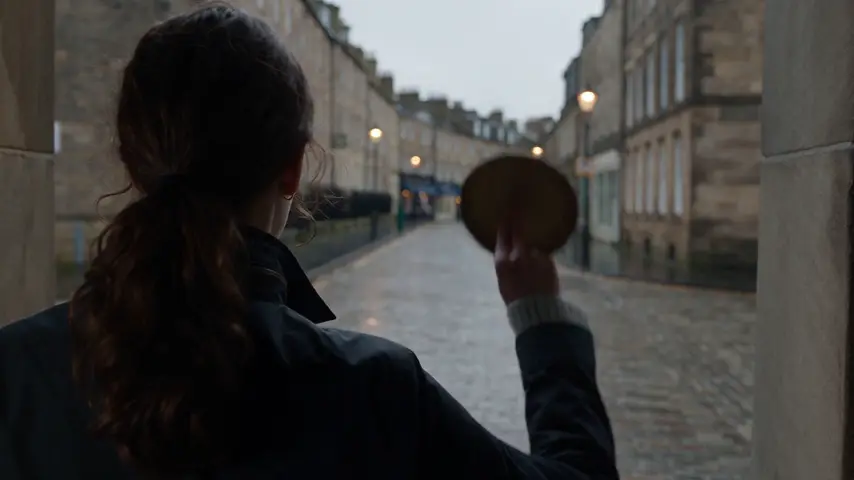
Single-Take Chain Reaction Stunt Shot

Cinematic photorealistic
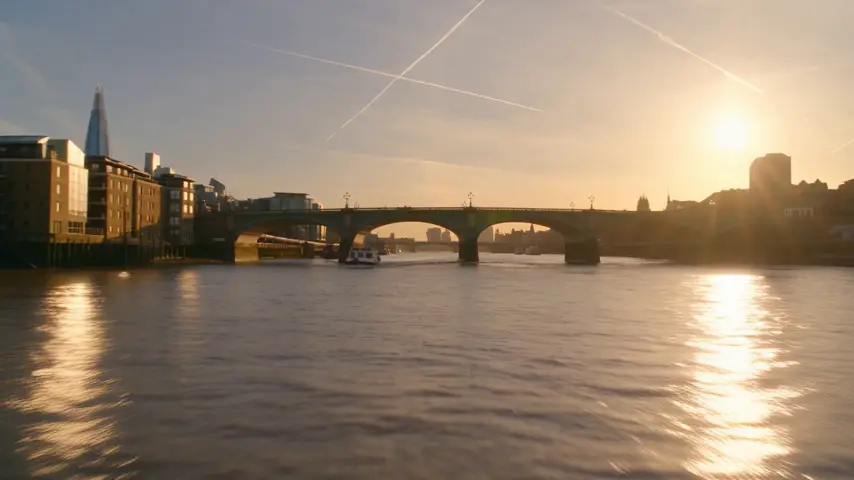
Aerial Video
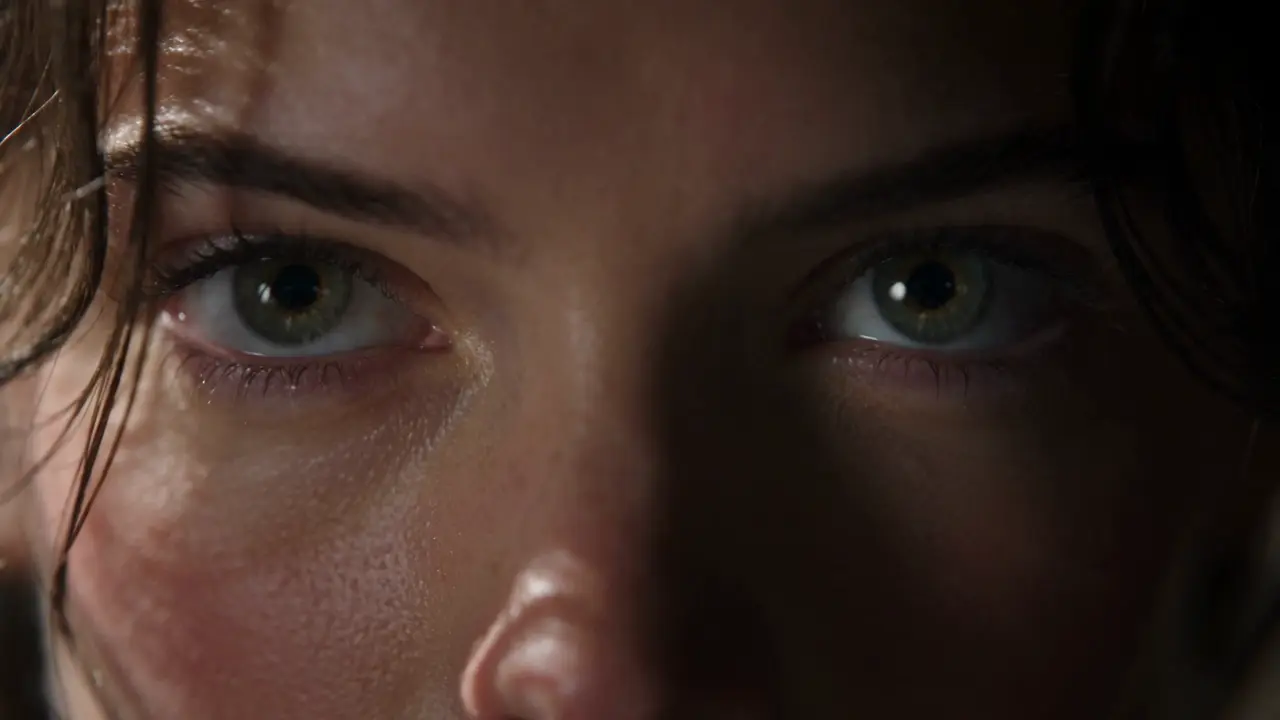
High-tension optical rack focus shot
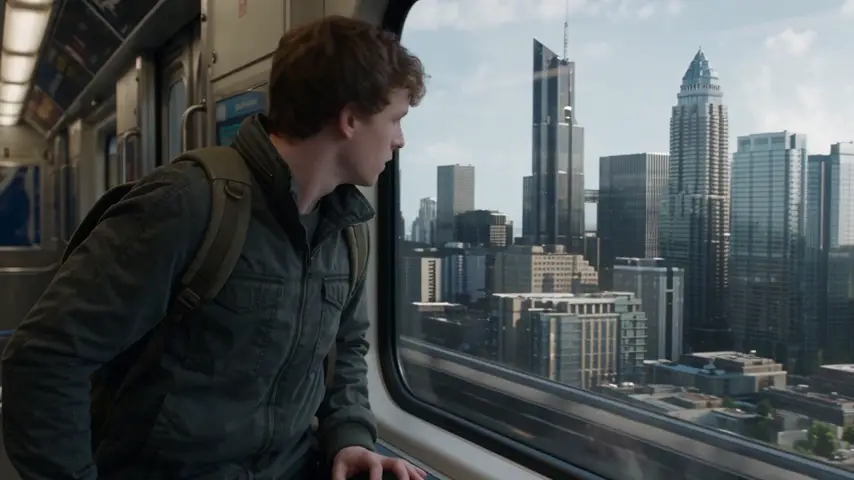
Ultra-photorealistic Hollywood disaster aesthetic
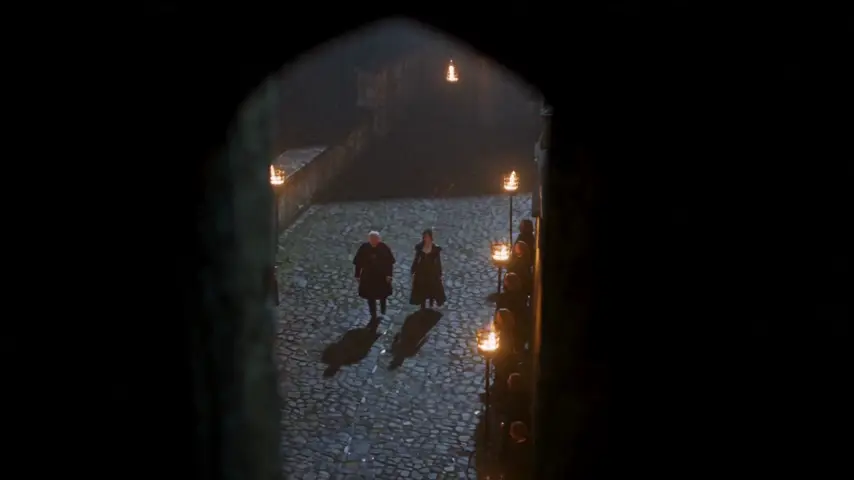
Cinematic thriller-action short
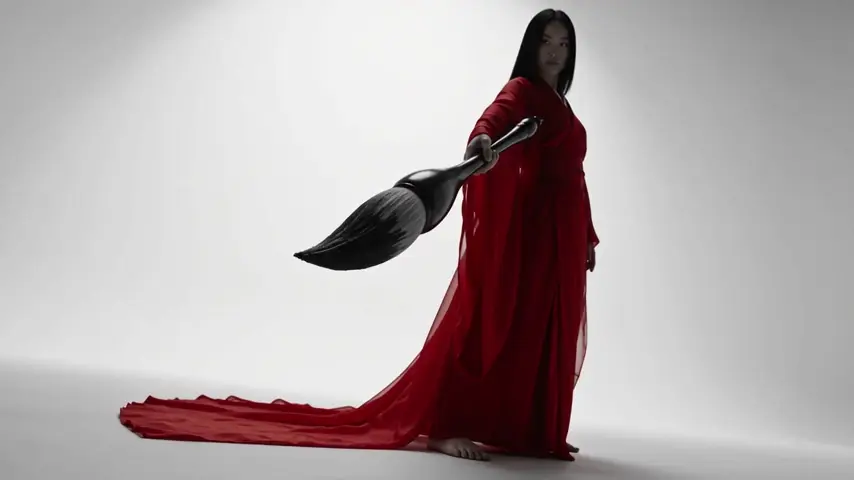
Cinematic 3D animated action scene,
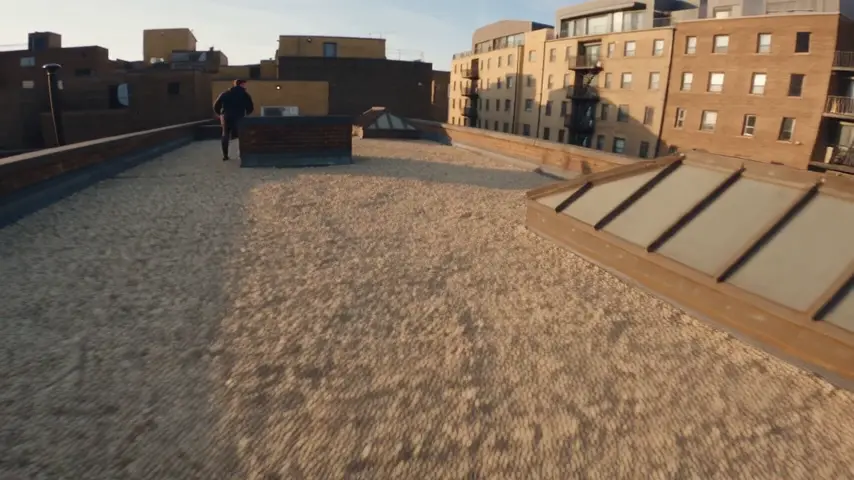
urban outdoor parkour chase
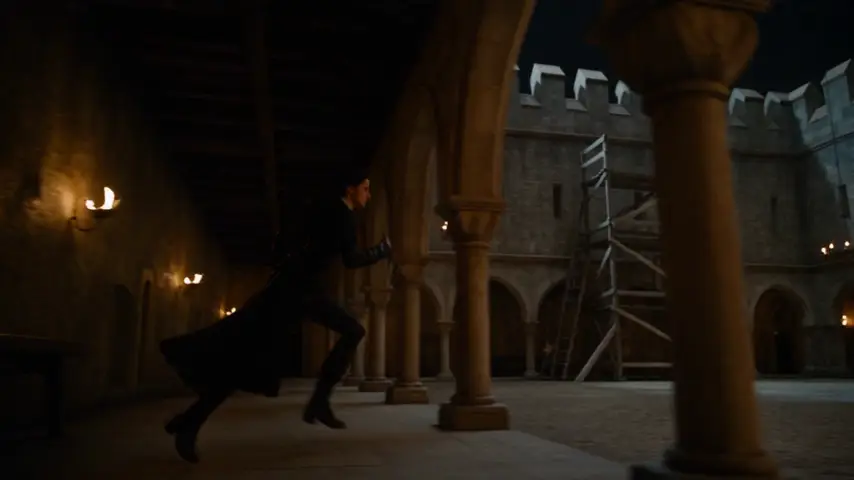
action film
Realistic funny pet video
Vampire short drama
Vampire short drama
Vampire short drama
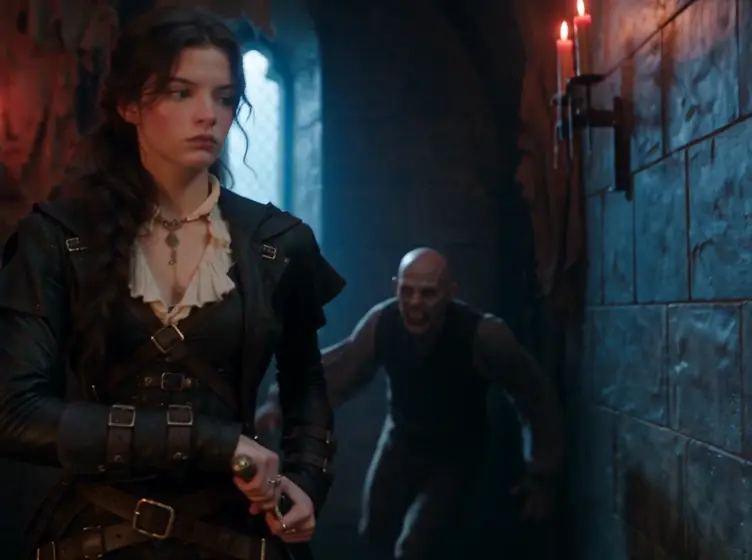
Micro-drama clip
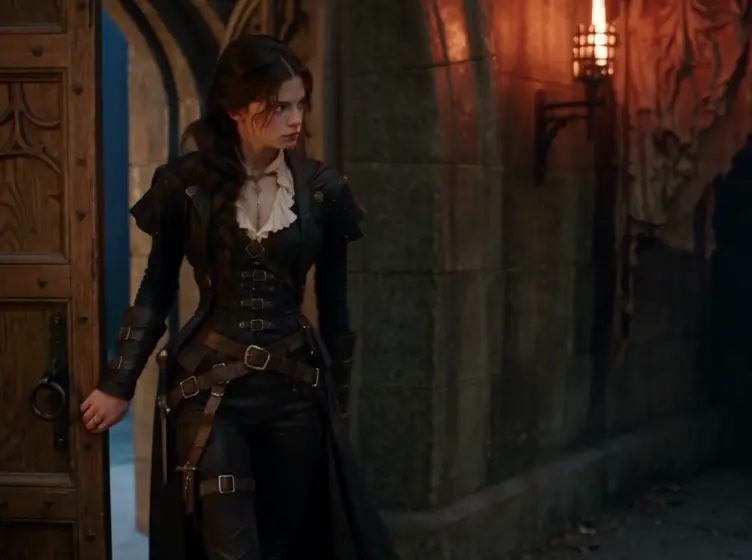
Micro-drama clip