Love this? Log in to make your own version.
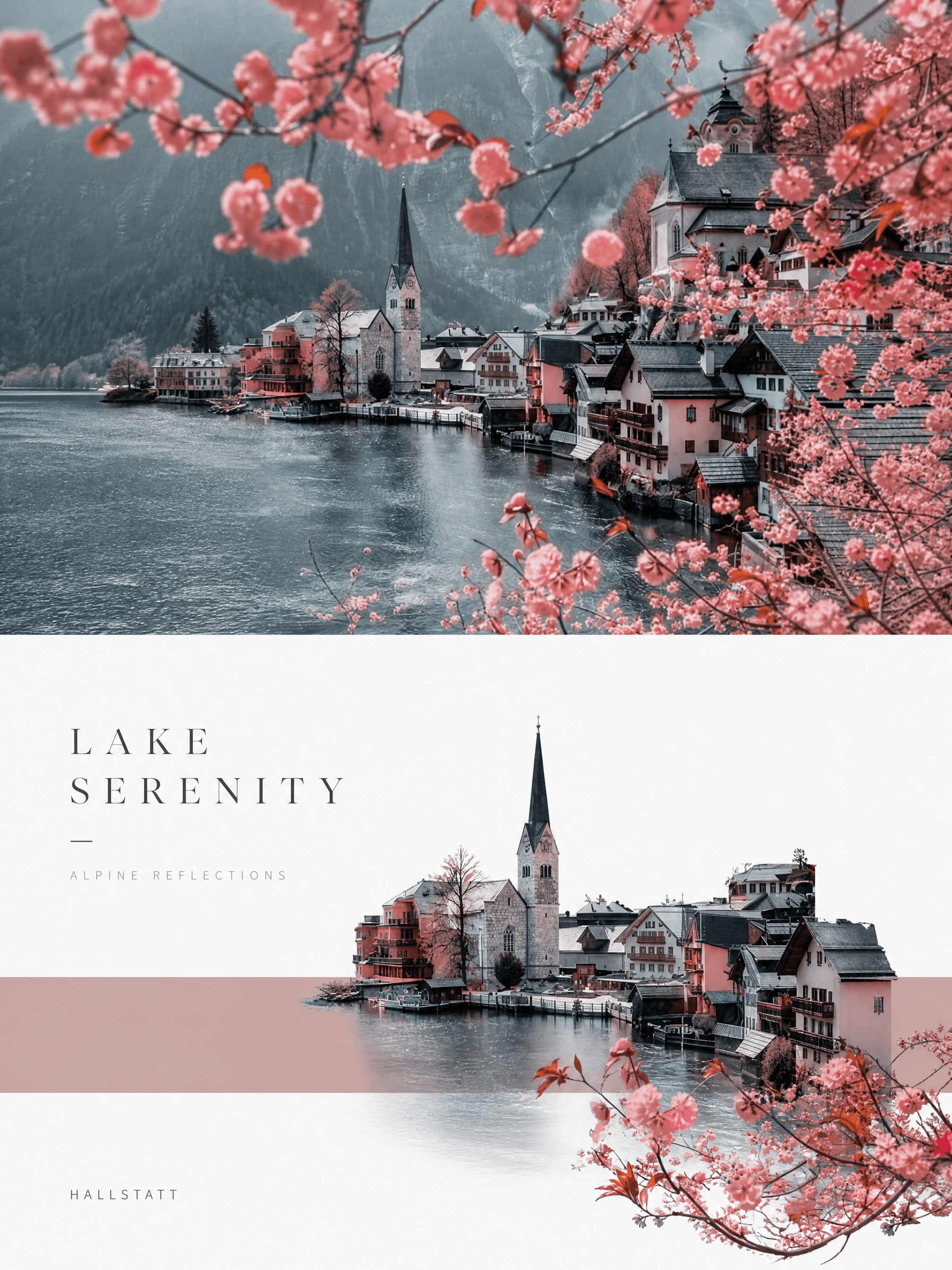
Editorial Passage
- Image
- 3:4
- 2016 × 2688
Generation recipe
- model
- GPT Image 2.0
- resolution
- 2K
- quality
- medium
- reference

Prompt
Source:Use each uploaded photo as the only visual source.Create one independent **high-end editorial poster** per upload and output each separately.Do not combine multiple photos and do not create a collage. Format:Use a **vertical 3:4 canvas** divided exactly in half by a **horizontal center split**,with the **top 50% and bottom 50%** each occupying an equal portion of the composition.The overall poster must feel refined,minimal,and precisely art-directed. Upper Half · Original Photograph:Use the original uploaded photograph directly in the upper half.Do **not** redraw or reinterpret it.Preserve the subject’s true identity,the structure of people or architecture,proportions,perspective,spatial relationships,materials,natural lighting,color atmosphere,and environmental reality.Only allow **slight cropping** and **restrained high-end editorial color grading**.Do not introduce imaginary lighting,HDR effects,oversaturation,plastic-looking surfaces,or invented content.When adapting the image to the format,you may only extend **natural environmental areas** such as sky,water,ground,walls,plants,or distant background zones.Never alter or fabricate the core subject. Lower Half · Realistic Editorial Reconstruction:Extract and reconstruct the **narrative core** of the photograph.This may be a single main subject or a small group of key relational elements.Preserve a **realistic and recognizable appearance**,including outer shape,proportion,internal structure,material logic,and relative placement.Do not delete essential related elements.Do not use rectangular photo crop blocks or pasted photo panels.The reconstructed subject should occupy about **55%–80% of the width of the lower half**,extending naturally according to the directional logic of the source image.Add a believable base condition such as ground line,water line,cast shadow,or soft dissolving edge so the form feels grounded and integrated.Never make it look like a sticker,floating cutout,or isolated pasted object. Geometric Color Field:Place **one single elongated low-saturation geometric color field** behind or partially through the reconstructed subject.The color must be extracted from the original photograph and may run **horizontally,vertically,or diagonally**.The key rule is that the reconstructed subject must **pass through** this color field:one part of the subject remains inside the field,while another part extends into the surrounding white space,creating a clear sense of overlap,penetration,and spatial layering.The color field is **not** a frame and must **not** completely enclose the subject.Do not use multiple color blocks,thick borders,rounded rectangles,strong gradients,or drop shadows. Background and Spatial Hierarchy:Use a **white,cool white,very pale gray,or another near-white tone** that harmonizes with the photograph.Keep the composition restrained,slightly asymmetrical,and surrounded by generous negative space.Build a clear three-level hierarchy: 1. The reconstructed subject. 2. The low-saturation geometric color field. 3. The editorial typography and an extremely small amount of supporting marks. Supporting marks,if any,must come only from real environmental relationships in the source image and must remain extremely subtle,light,and minimal.Do not add decorative elements without source logic. Typography System:Add only **2 to 4 groups of text maximum**.Include: - one concise English main title, - one location or subject label, - and optionally one or two very short words or reliable notes. If any information is uncertain,omit it.Do **not** invent locations,dates,coordinates,data,or false annotations.Use an elegant **serif** or restrained **sans-serif** typeface with **thin weights,wide letter spacing,and precise alignment**.The typography should feel premium and editorial.Never use giant slogans,dense paragraphs,fake issue numbers,logos,watermarks,or extra text. Overall Style Goal:The final result should feel like a **luxury brand advertisement,art magazine spread,or cultural exhibition poster**:strict 3:4 format,precise 50/50 top-bottom division,faithful original photography above,realistic editorial reconstruction below,a single geometric window or color field,strong crossing relationship,controlled whitespace,and refined typography. Negative:No collage feeling,no hard rectangular photo blocks in the lower half,no sticker look,no floating object feel,no subject deformation,no multiple competing focal points,no invented content,no multiple color fields,no thick frames,no rounded boxes,no strong gradients,no heavy shadows,no fantasy lighting,no HDR,no oversaturation,no plastic texture,no logo,no watermark,no excessive text,no UI.
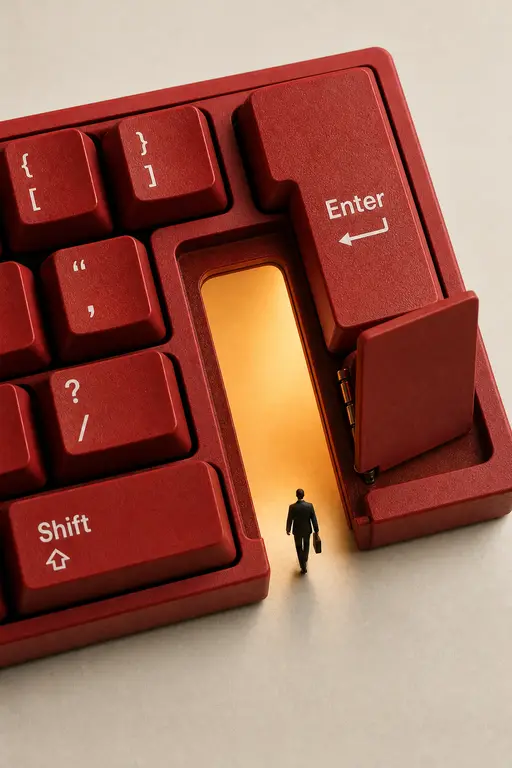
Product Photography
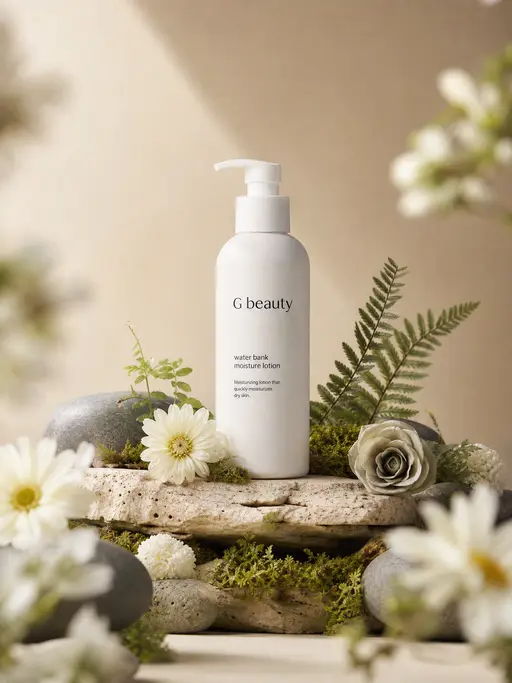
Product Photography
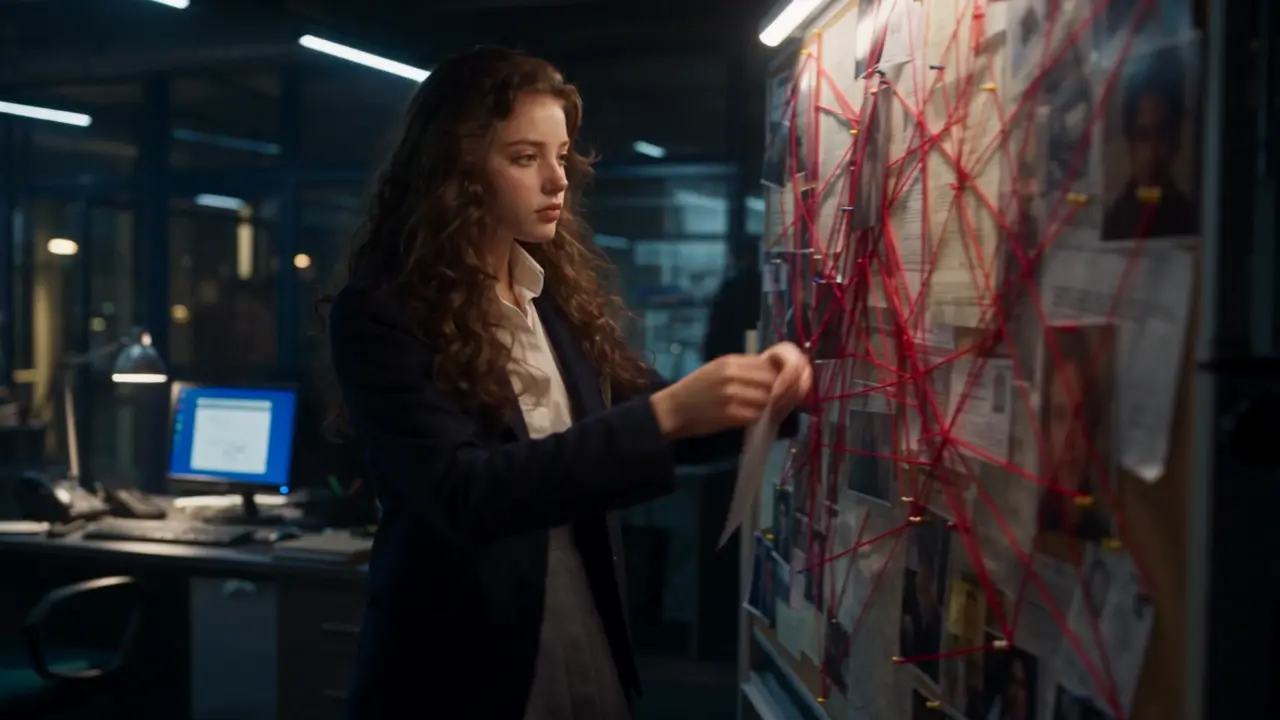
cinematic procedural-mystery sequence
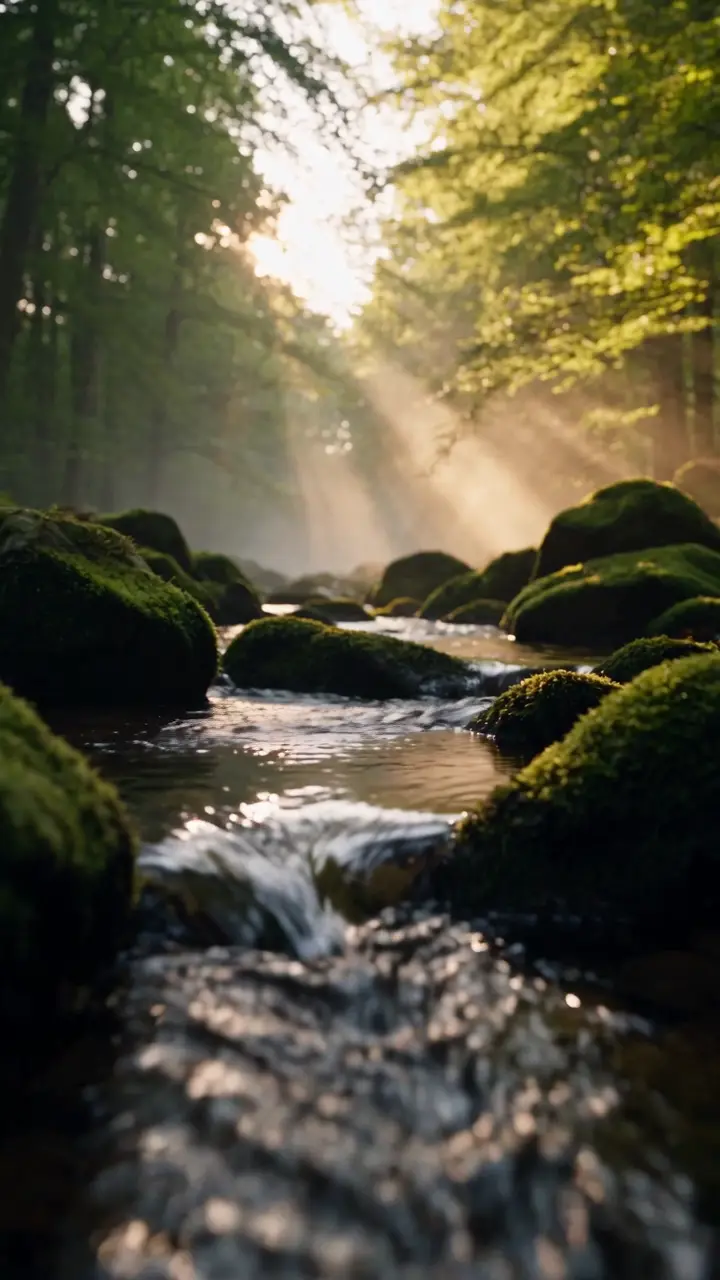
short film
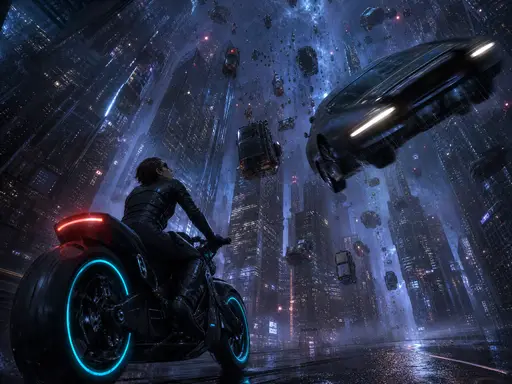
Cinematic-quality keyframe for a sci-fi film
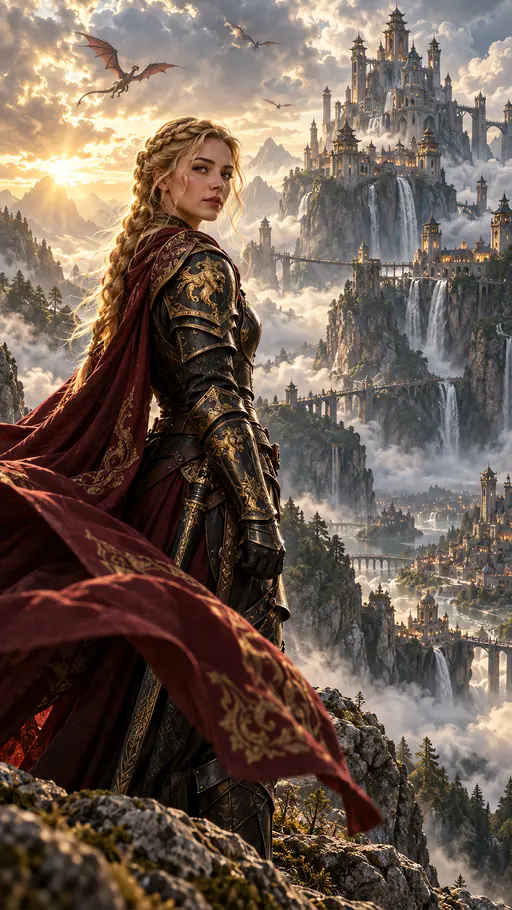
Cinematic portrait
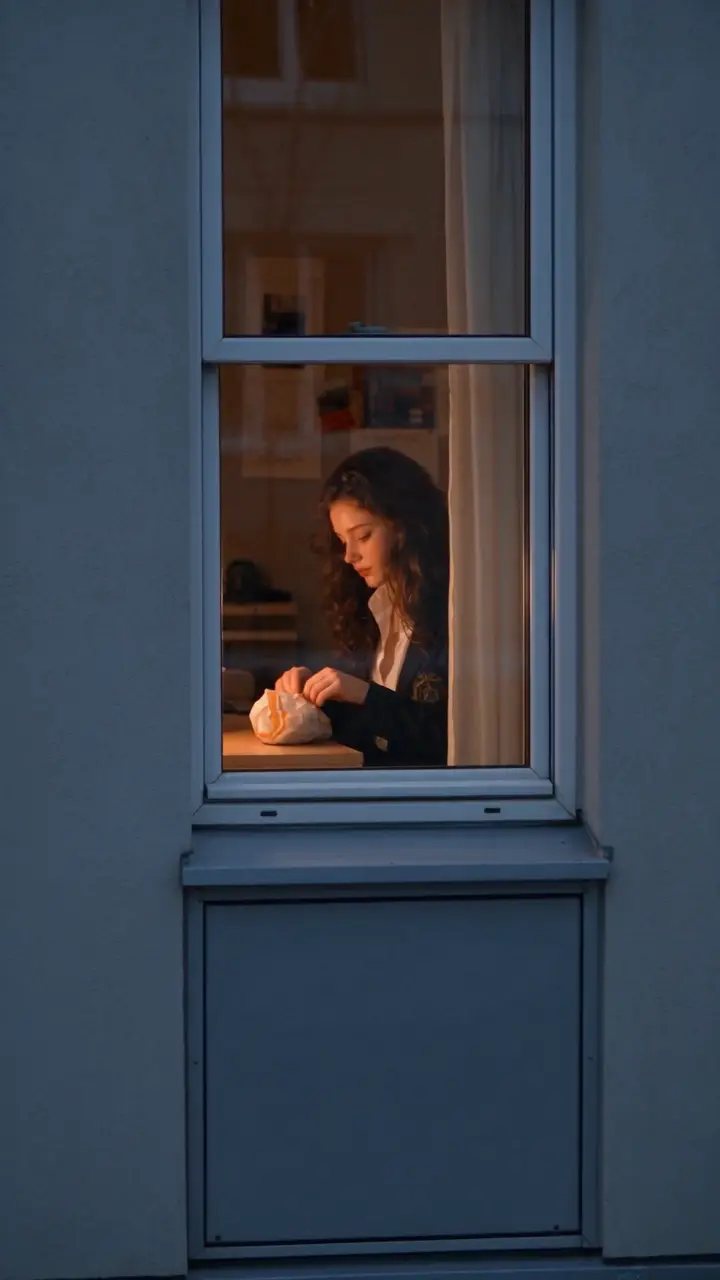
Second-person handheld POV
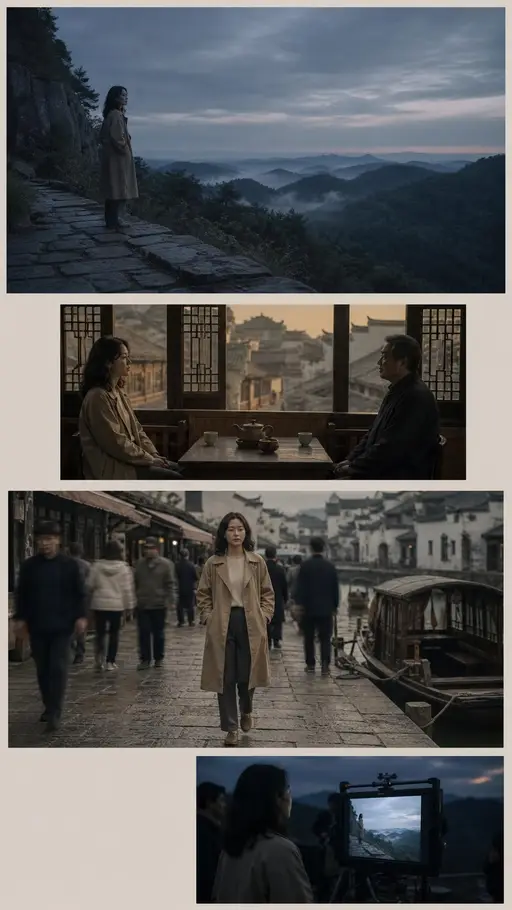
Cinematic storyboard
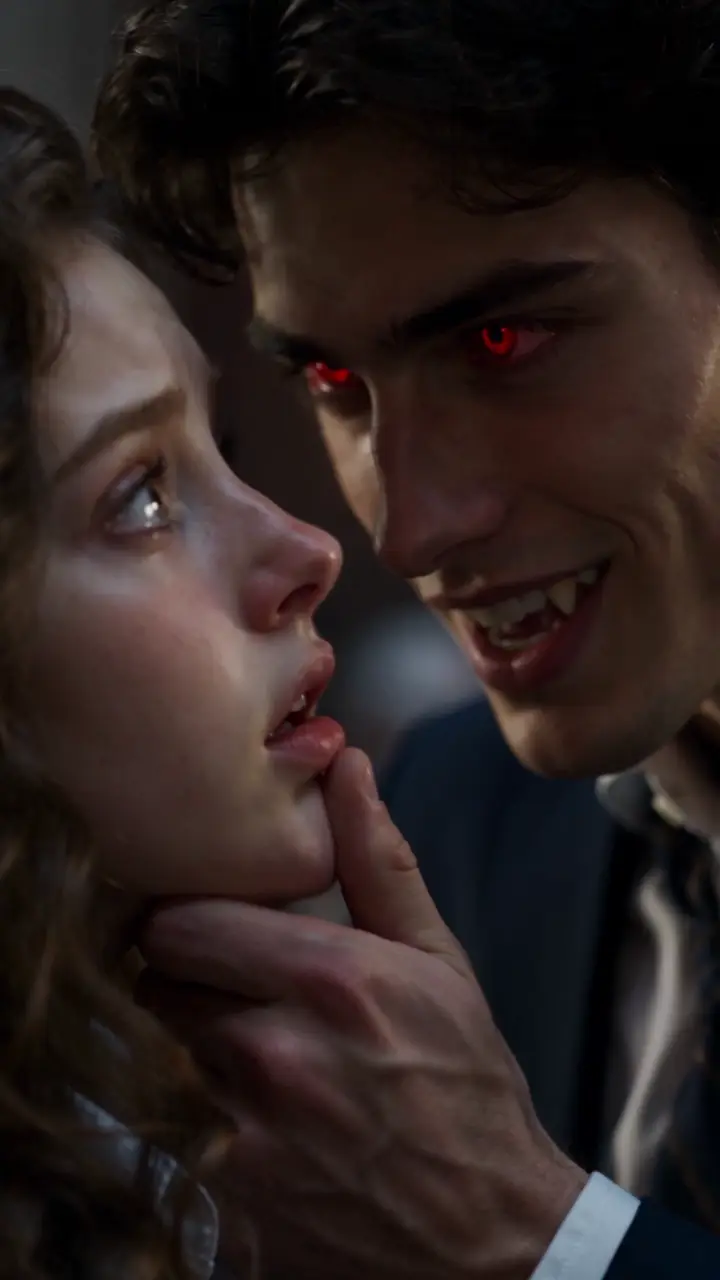
short-form drama creation
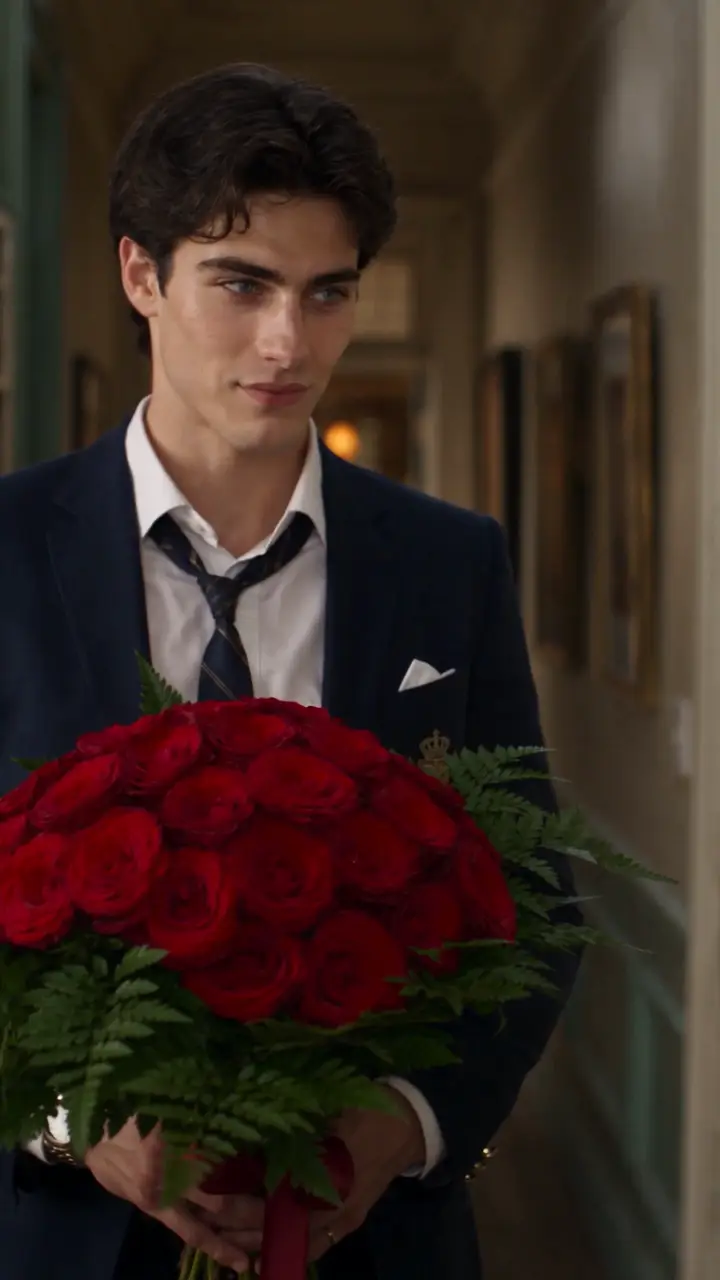
short-form drama creation
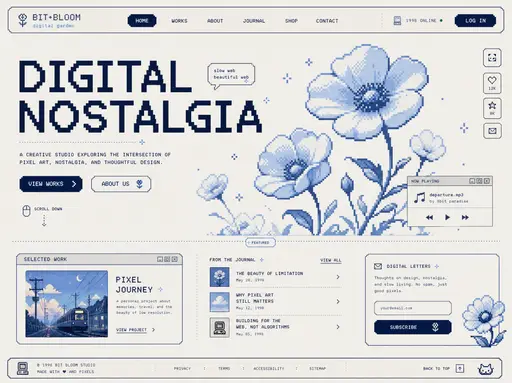
Pixel-art website

UI mockup

UI mockup

3D SaaS onboarding illustration floats
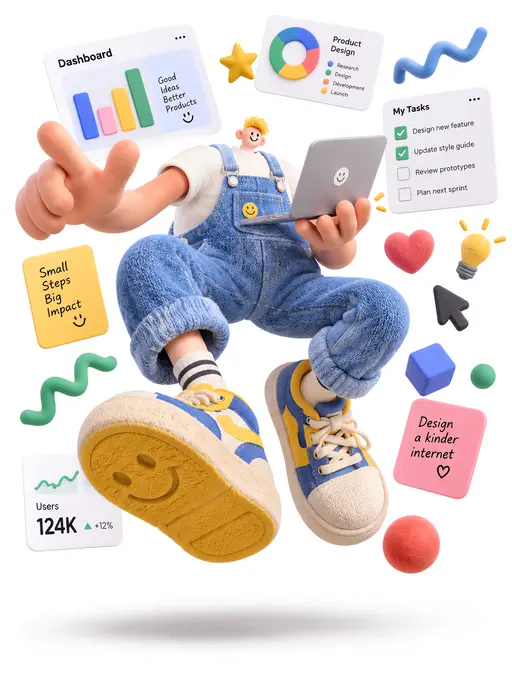
3D illustration