Love this? Log in to make your own version.
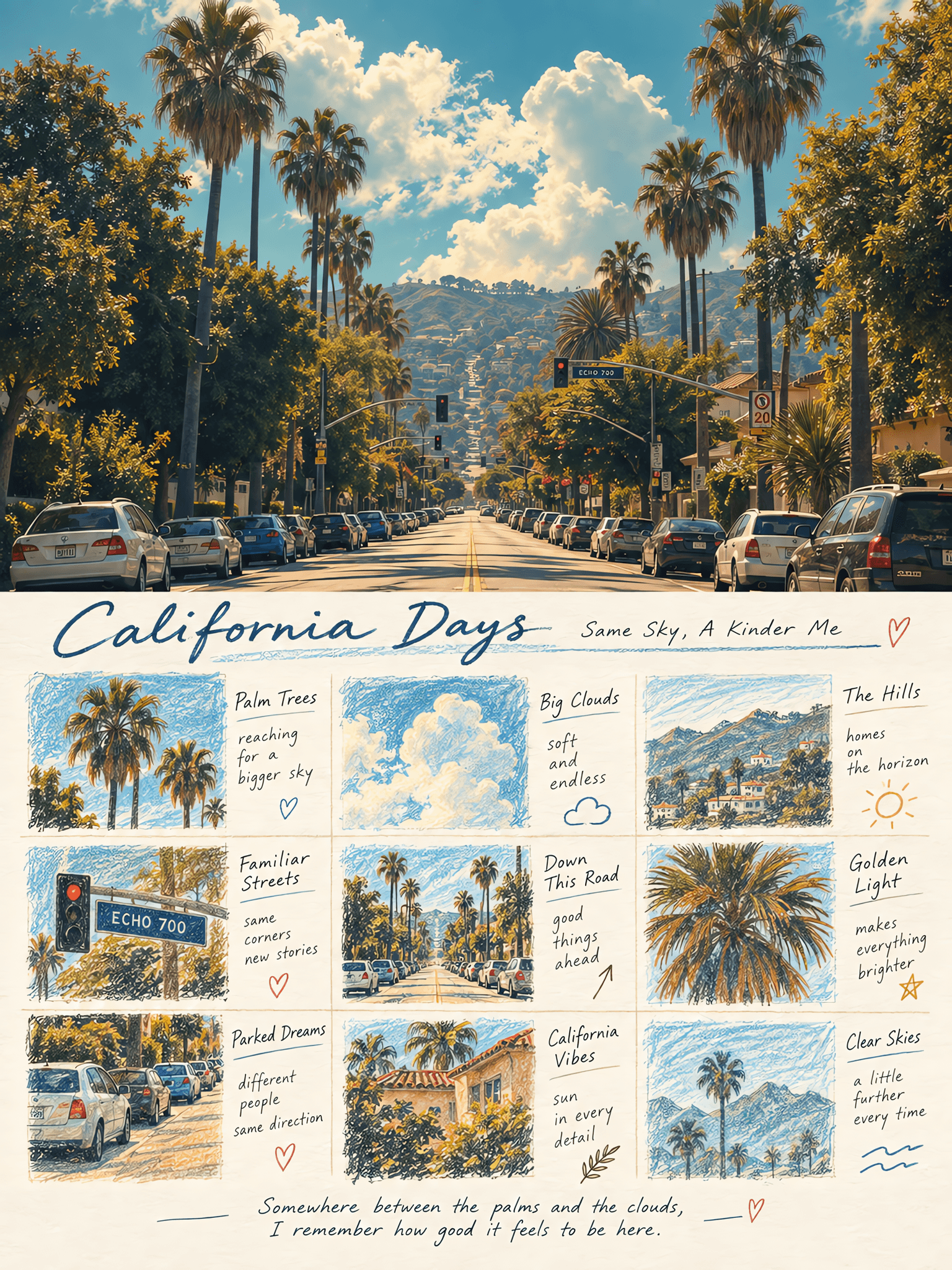
Hand-drawn Sketchbook Diptych
- Image
- 3:4
- 1536 × 2048
Generation recipe
- model
- GPT Image 2.0
- resolution
- 2K
- quality
- medium
- reference

Prompt
Source:Use each uploaded photo as the only visual source.Create one independent premium editorial poster per upload and output each separately.Never combine photos.Format:Use a vertical 3:4 canvas divided into two strictly equal horizontal sections,top 50% and bottom 50%,with an exact 1:1 split. Upper Section · Original Photograph:Keep the image photographic.Preserve the original subject,structure,identity,real texture,natural lighting,and authentic color atmosphere.Apply only subtle high-end editorial color grading to create the feeling of an art magazine,independent publication,or gallery exhibition print.Film grain,soft glow,sunset warmth,and atmospheric imperfections may be preserved when naturally present.You may gently extend background areas to fit the format,but never stretch,distort,mirror,replace,or redesign the subject.Carefully observe the dominant colors,light quality,and emotional mood of the photo,as these become the visual foundation for the lower section. Lower Section · Illustrated Sketchbook Field Guide:Reinterpret the same subject as a richly hand-drawn sketchbook encyclopedia page or independent zine spread rather than a geometric vector illustration.The lower half should feel like a carefully collected visual study of memories,objects,moments,and emotions extracted from the photograph. Drawing Medium:Use visible colored-pencil,wax crayon,and sketchbook materials throughout the entire lower section.Show obvious hand-drawn marks,cross-hatching,color layering,paper absorption,rough paper fibers,and imperfect handmade edges.Allow slight wobble,uneven pressure,and intentional irregularities.Everything should feel genuinely drawn by hand rather than digitally rendered.Maintain one consistent material logic:colored pencils and crayons only.No smooth vector fills,no glossy gradients,and no clean graphic design surfaces.Shadows should be built with sketch lines,hatching,and layered pencil strokes rather than solid black shapes. Grid Composition:Break the subject into multiple small illustrated studies arranged as a 3×3 grid,irregular grid,or loosely organized collection of framed moments.Each compartment should contain one memorable visual element from the original photograph:a subject fragment,a characteristic detail,an environmental clue,a lighting effect,a symbolic object,a color relationship,or an emotional memory.The collection should feel like a visual archive that dissects and preserves the experience represented by the photo. Illustration Style:Each small drawing must remain recognizable,warm,and approachable.Simplify details while preserving the most emotionally engaging features of the original subject.The drawings may be loose and expressive,but never chaotic,broken,or abstract beyond recognition.They should feel observational,personal,and lovingly recorded. Decorative Symbols:Add sparse hand-drawn hearts,stars,arrows,wavy lines,circles,notes,or simple sketchbook marks to create rhythm and movement between the compartments.These elements should remain secondary and help guide the eye through the page. Color Palette:Use a clean white or warm off-white sketchbook paper background with a subtle cream tint.The paper should feel bright,fresh,and archival rather than yellowed or dirty.Extract two or three dominant colors from the photograph and transform them into a softer,lower-saturation,higher-brightness memory palette.Layer colors lightly with colored-pencil texture.For example,warm yellow,orange-brown,and dusty blue may become the foundation.Accent colors should appear sparingly on only a few key motifs,creating an immediate visual relationship with the photograph above.Avoid neon colors,plastic saturation,and overly vivid digital palettes. Typography and Notes:All text must appear handwritten.Never use printed fonts,typeset typography,or mechanical lettering.At the top of the page,include a small elegant handwritten title with a subtitle,such as “Cloud Train” or a similarly poetic phrase.Next to each illustrated compartment,add tiny handwritten labels,keywords,or short observational notes with low visual contrast.At the bottom,include one short handwritten poetic sentence that feels reflective,personal,and memorable,such as a diary entry or travel note.The handwriting should integrate naturally into the page rather than functioning as graphic design. Layout and Editorial Feel:The lower section should resemble a thoughtfully arranged sketchbook page,field journal,or collectible independent zine spread.The grid should feel structured but never rigid.Text,illustrations,and decorative marks should vary in density,creating natural breathing space throughout the page.Leave generous margins around the edges and between elements.Maintain a clear visual focal point while allowing the eye to wander through the smaller studies.The overall feeling should be personal,curated,observational,and collectible,as if someone carefully recorded and named each fragment of a meaningful memory. Overall Feeling:Real photography above,hand-drawn sketchbook documentation below.An elegant combination of editorial photography,artist notebook,visual diary,and collectible zine.Calm,intimate,nostalgic,thoughtful,and premium. Negative:No collage mixing multiple photos,no unequal split,no vector illustration,no glossy rendering,no plastic colors,no photorealistic redrawing,no comic-book style,no polished infographic design,no heavy black fills,no neon palette,no cluttered scrapbook overload,no printed fonts,no gibberish text,no watermark,no logo,no UI.
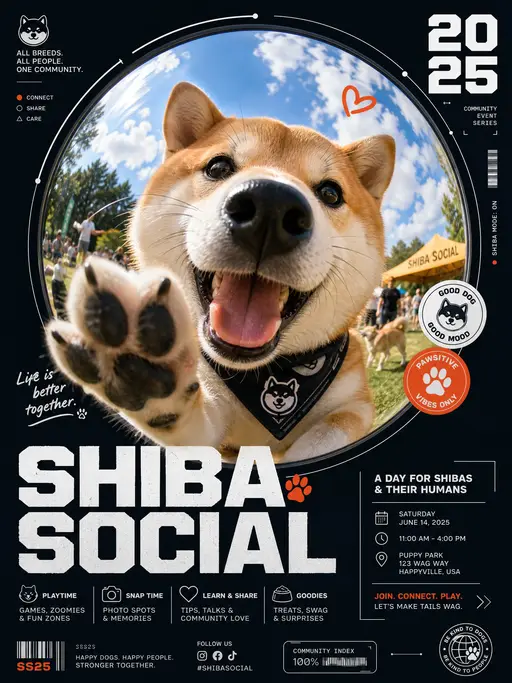
pet poster
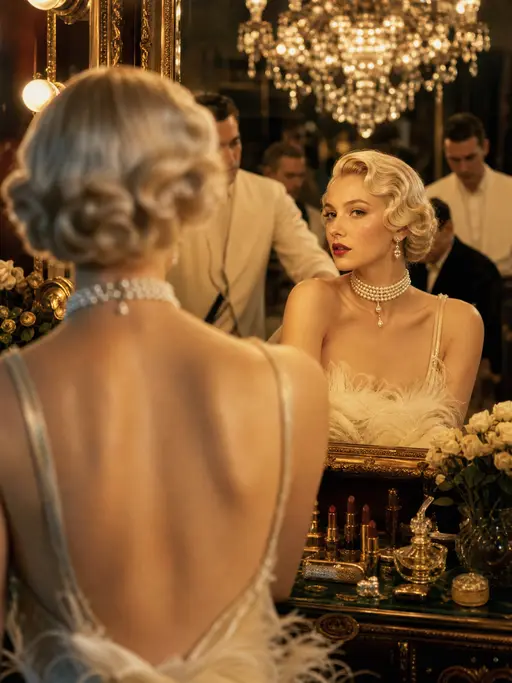
Cinematic photograph
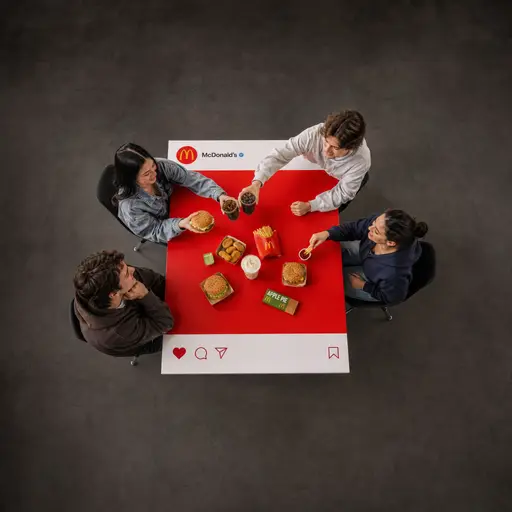
brand poster
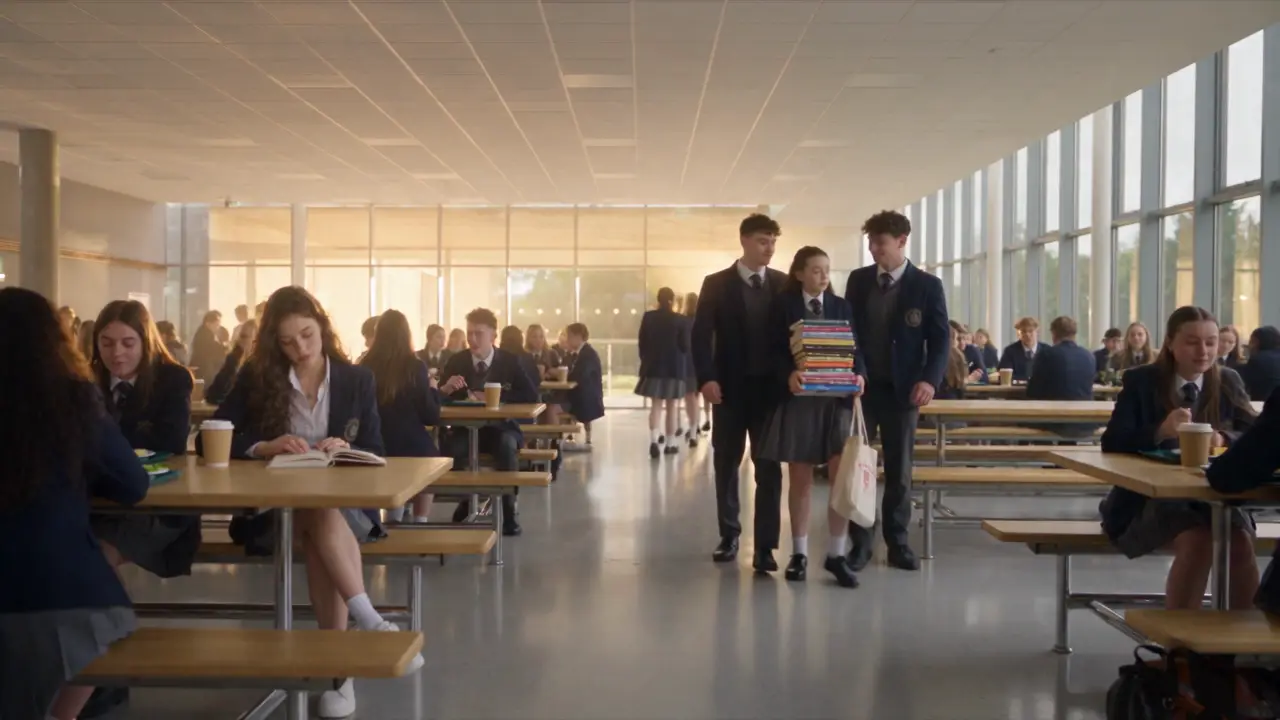
micro- drama
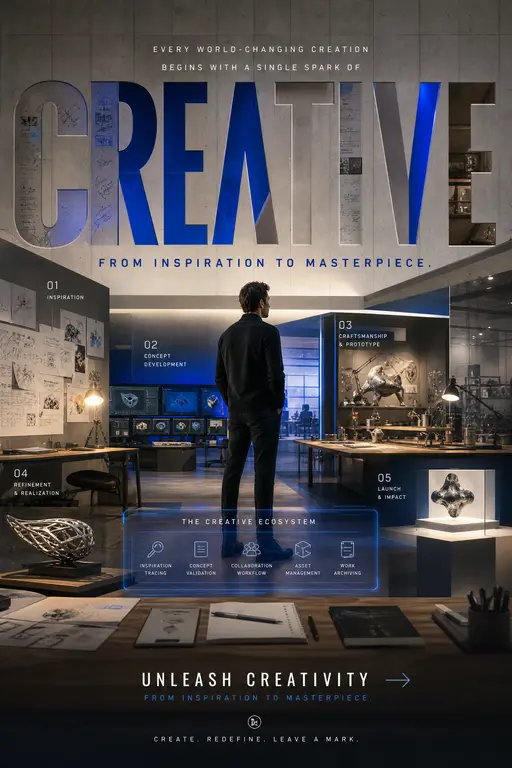
Global Brand Campaign Poster

Pilates studio landing page UI design
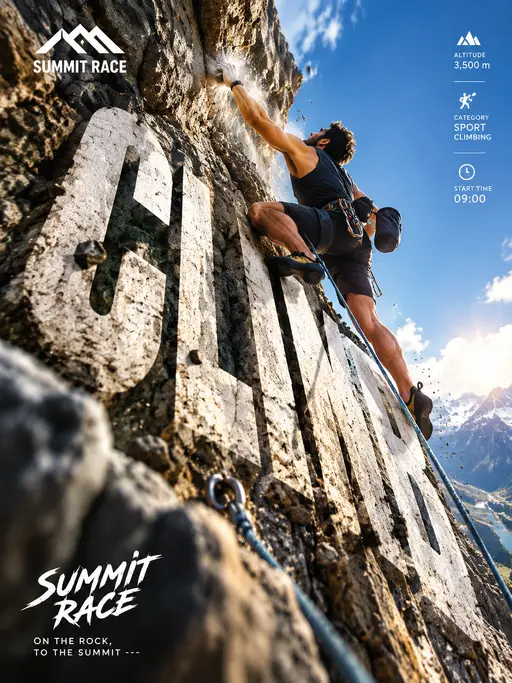
Vertical Outdoor Rock Climbing Competition Poster
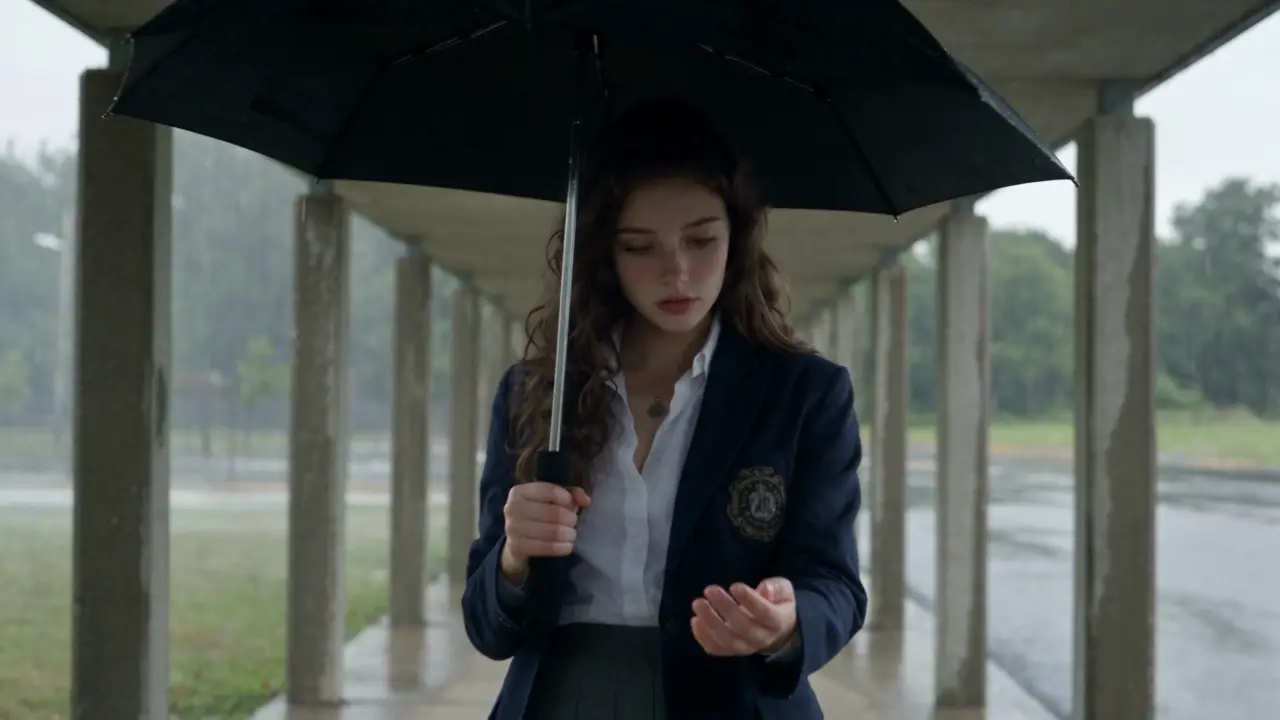
Micro-drama
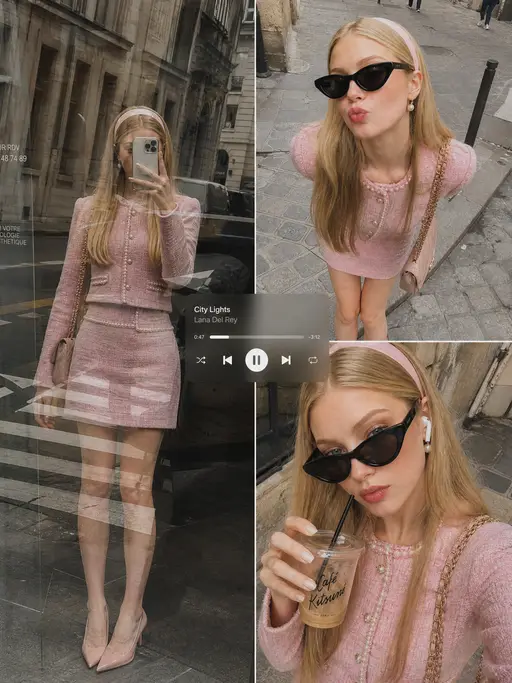
Instagram-style candid shot
2000s American teen-campus vignette
Daily routine
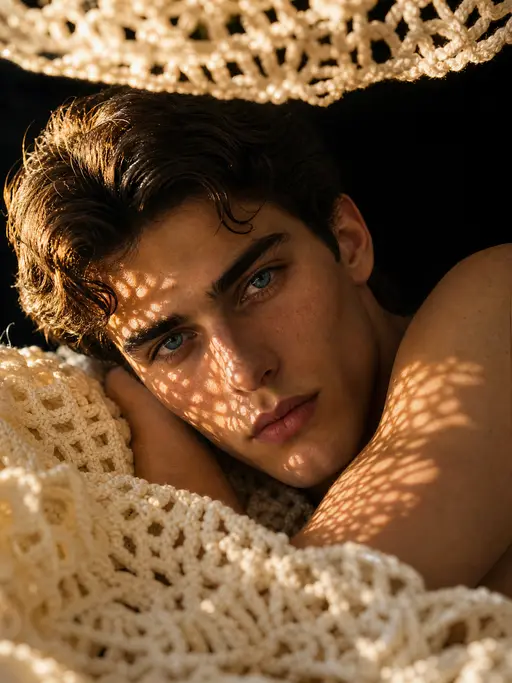
Editorial portrait
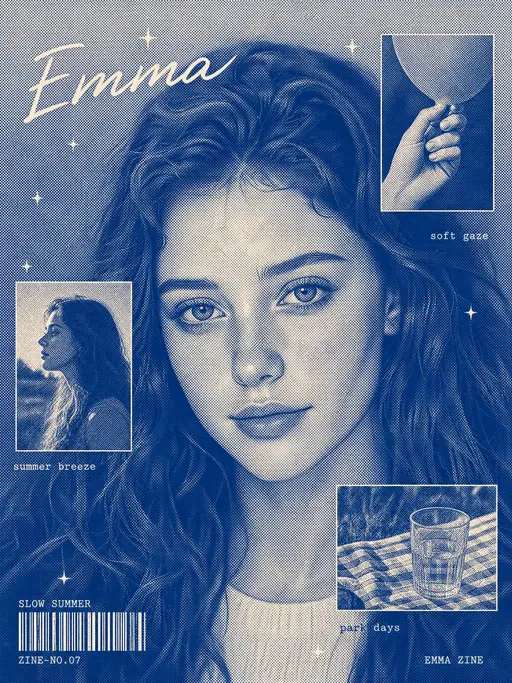
Character poster
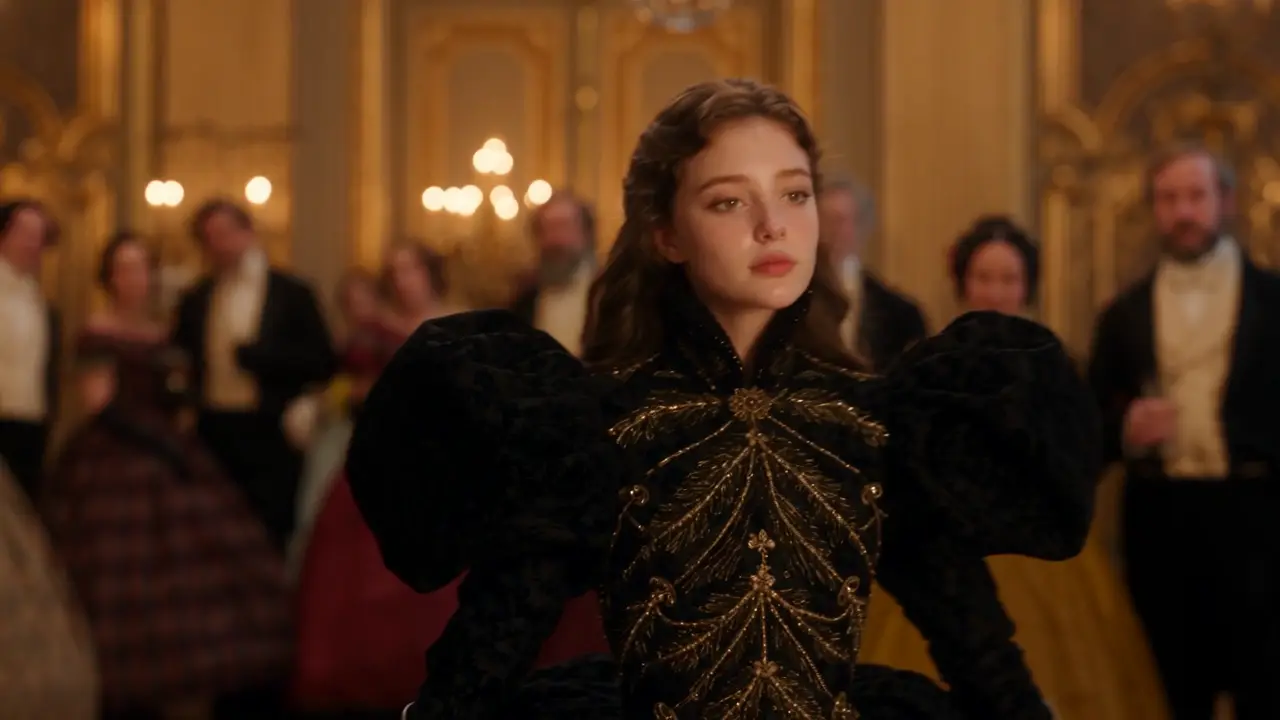
Micro-drama sequence
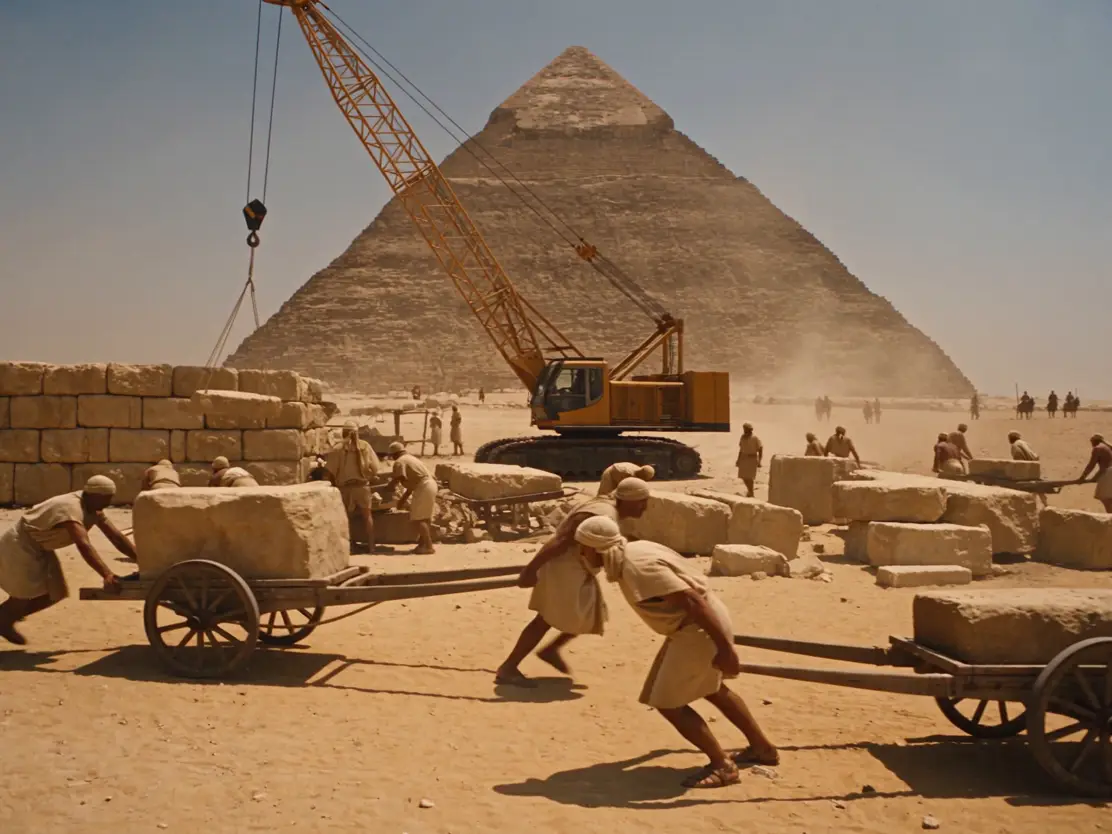
Ancient Egyptian comedy video