Love this? Log in to make your own version.
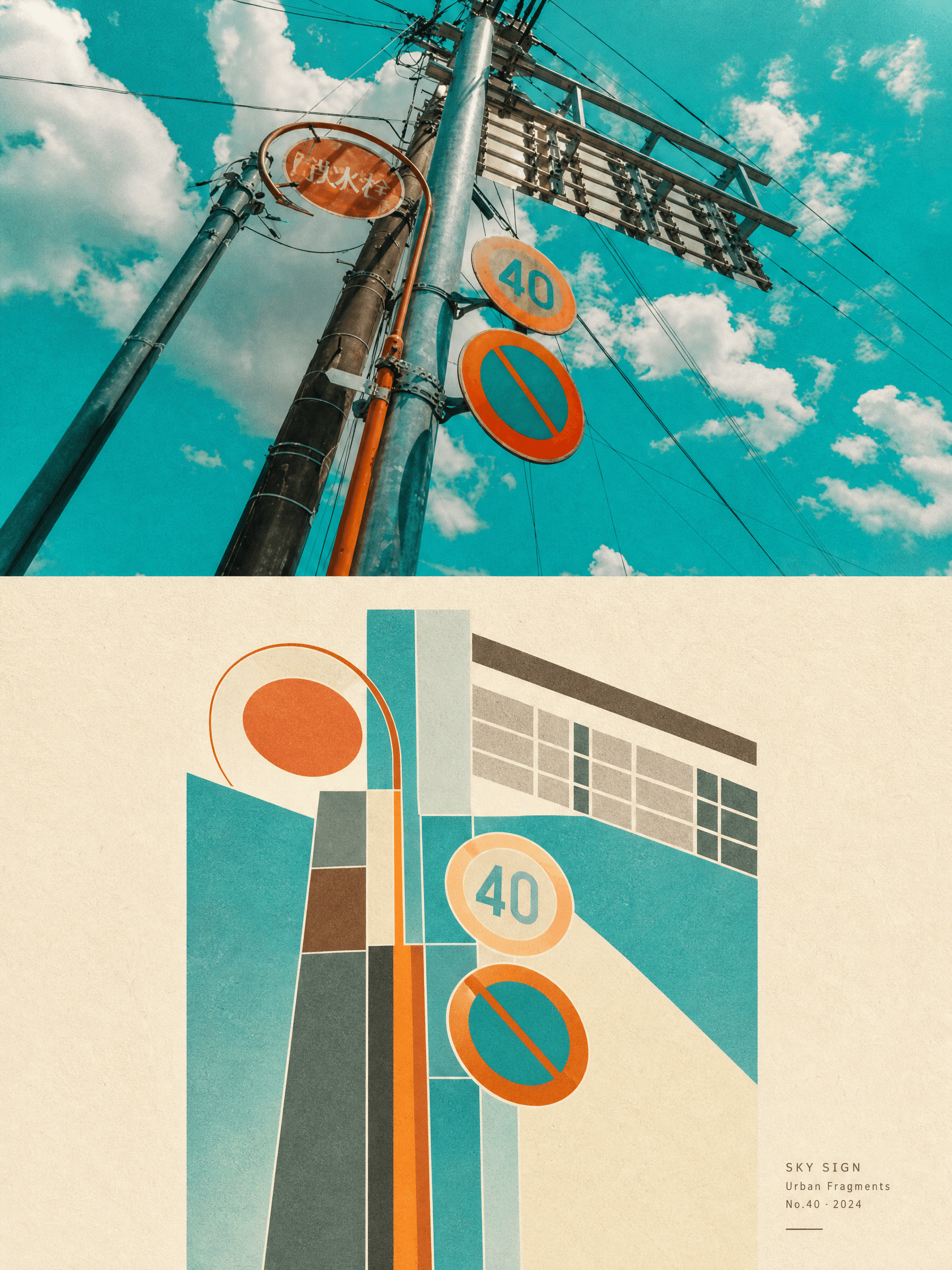
Modular Memory
- Image
- 3:4
- 1776 × 2368
Generation recipe
- model
- GPT Image 2.0
- resolution
- 2K
- quality
- medium
- reference

Prompt
Source:Use each uploaded photograph as the only visual source.Create one independent premium design poster per upload and output each separately.Do not combine multiple photos into one image and do not make a collage. Format:Use a strict vertical 3:4 composition divided into two exactly equal horizontal sections.The top 50% and bottom 50% must occupy the frame equally,with a precise 1:1 split.The overall result should feel refined,editorial,collectible,and clearly art-directed. Upper Half·Original Photograph:Keep the upper half photographic and faithful to the uploaded image.Preserve the subject’s identity,structure,pose,real texture,natural lighting,and original color atmosphere.Apply only subtle high-end editorial color grading so the image feels like a page from an art magazine,independent publication,or exhibition photography series.To fit the format,you may naturally and seamlessly extend surrounding environmental areas only when necessary,but never stretch,distort,redesign,or alter the subject.Do not change the person,animal,building,object,or core scene. Lower Half·Geometric Modular Reconstruction:Extract only the most recognizable visual essentials from the original image,such as the main subject,contour,structure,pose,and key narrative relationships.Reconstruct them as a blocky,modular geometric deconstruction illustration.Do not literally copy the whole photograph and do not make a realistic redraw.Remove irrelevant details and keep only the strongest visual memory points that define the subject’s identity and mood.Rebuild the image through geometric simplification,overlapping shapes,and collage-like recomposition so the connection to the upper photograph remains instantly recognizable. Core Form Language:The lower half must strongly emphasize block structure,modular organization,geometric segmentation,and large complete shape masses.Do not break the image into too many tiny fragments.Instead,use fewer,bigger,clearer,and more complete forms such as rectangles,squares,rounded squares,ovals,triangles,and irregular block shapes.People may be interpreted with squared faces,clear jawlines,and planar facial features.Buildings may become solid block volumes,facade divisions,window rhythms,and structural turns.Animals,plants,objects,and landscapes should also be distilled into geometric forms with clear modular order and block relationships.Allow moderate exaggeration and deformation,but keep the result mature,restrained,and concise.Never let it become fussy,childish,or overly scattered. Visual Language:Use flat color blocks,collage-like construction,and a modernist geometric vocabulary.The lower half should feel as if paper pieces have been cut and recomposed into a fresh visual order,creating a strong but controlled sense of graphic assembly.Complex backgrounds should be actively reduced or deleted.Keep only a very small number of necessary supporting shapes or auxiliary blocks,and never allow the background to become a second focal center. Composition:Maintain a relationship of small-to-medium subject scale against generous negative space.Arrange the reconstructed subject freely according to its direction,proportion,visual center,and structural flow.It may sit off-center,near an edge,or be partially cropped when compositionally appropriate,but it must always preserve a clear hierarchy,balanced rhythm,and editorial compositional control.Pay close attention to positive and negative shape relationships,shape weight,breathing space,and layout order so the lower half feels artistic,sophisticated,and publication-ready. Material and Surface Quality:Show a gentle paper grain and a light fine-art print texture across the geometric color fields.Preserve subtle paper tactility,soft noise,and a slightly printed surface so the lower half feels closer to paper collage or artistic printmaking rather than slick digital graphics.Avoid smooth vector polish,3D rendering,photo-filter effects,and over-retouched surfaces. Color System:Extract 2 to 4 of the most recognizable,most appealing,and most character-defining colors from the upper photograph,and reorganize them into a more elevated palette.The palette may be slightly brightened,cleaned,and refined into soft,modern,color-block relationships such as cream white,apricot,peach pink,coral orange,misty blue,gray-green,sage green,warm brown,or soft violet.Use colors that feel light,modern,warm,stylish,and approachable.The main colors should be clear but never harsh.Supporting colors should feel soft and layered.Avoid muddy yellow,dirty gray,dark brown,fluorescent tones,cheap candy colors,and chaotic color combinations. Typography:Use text only as a minimal editorial intervention.The language is not restricted.You may add a short title,small caption,numbering,or note fragment based on the subject’s identity,location,mood,temperament,or symbolic meaning.The text should remain small,light,restrained,and naturally placed in the negative space or at the edge of the layout.It should create a refined relationship with the graphics rather than functioning as a loud commercial headline. Overall Style Goal:The final poster should combine large geometric deconstruction,restrained collage logic,soft high-end color relationships,paper grain,abundant negative space,and editorial typography into one cohesive visual language.Whether the source image contains a person,architecture,animal,plant,object,or natural landscape,the lower half must preserve clear identity,modular geometric order,and a unified artistic system. Negative:No realistic redraw,no full literal copy of the original scene,no overly fragmented cutting,no childish collage,no complicated perspective,no dense detail,no cartoon feeling,no anime,no manga,no glossy vector polish,no 3D rendering,no template-poster feeling,no cheap souvenir-shop design,no muddy palette,no neon color,no cluttered background,no oversized subject,no excessive text,no decorative overload,no logo,no watermark,no UI,and no gibberish text.
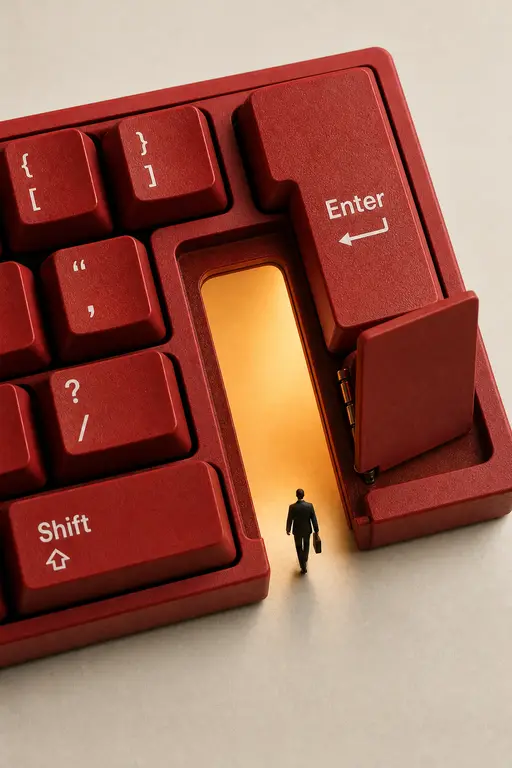
Product Photography

Product Photography
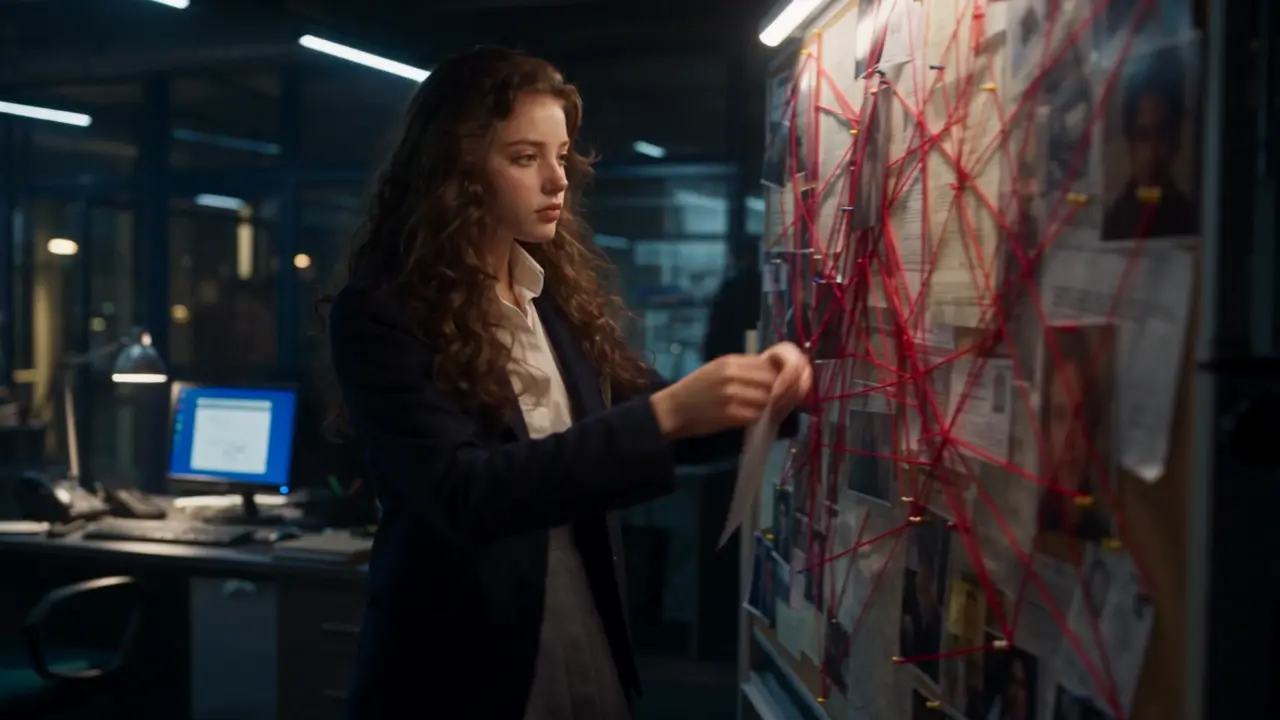
cinematic procedural-mystery sequence
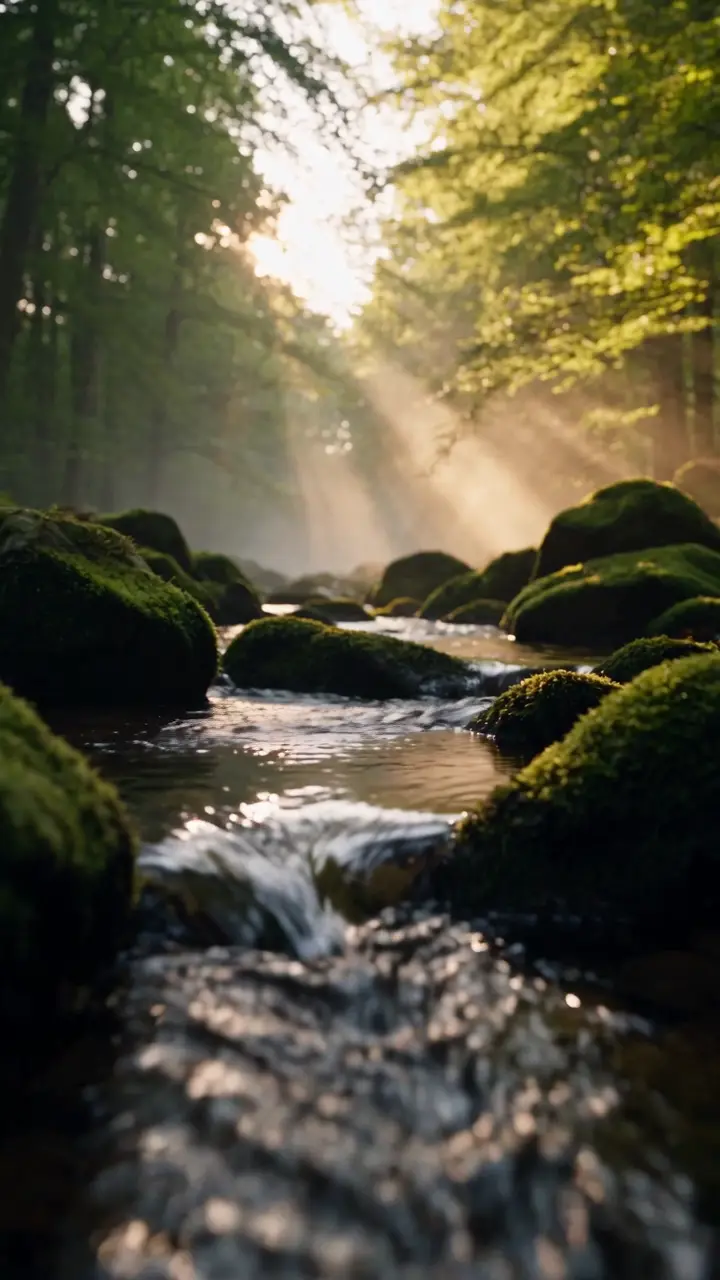
short film
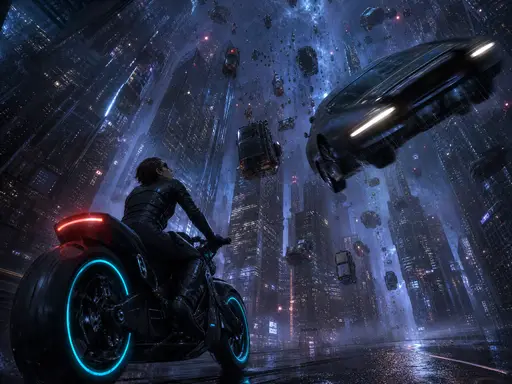
Cinematic-quality keyframe for a sci-fi film
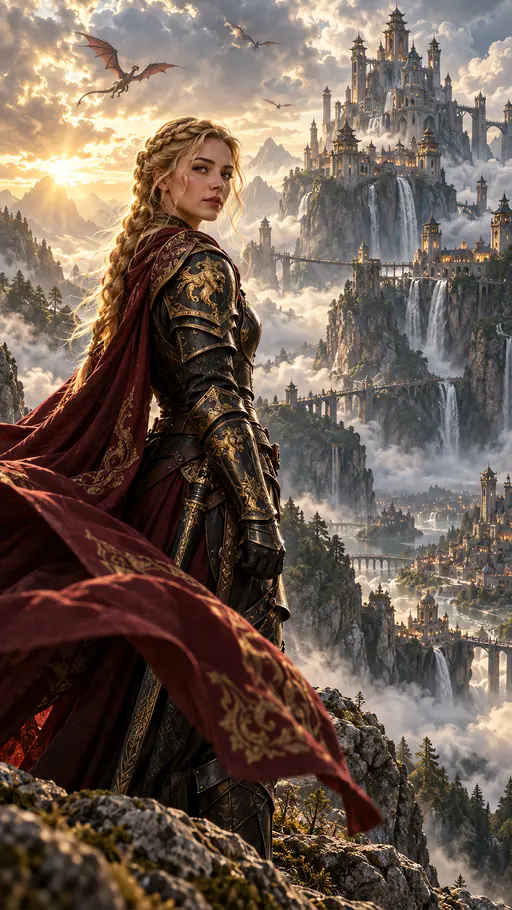
Cinematic portrait
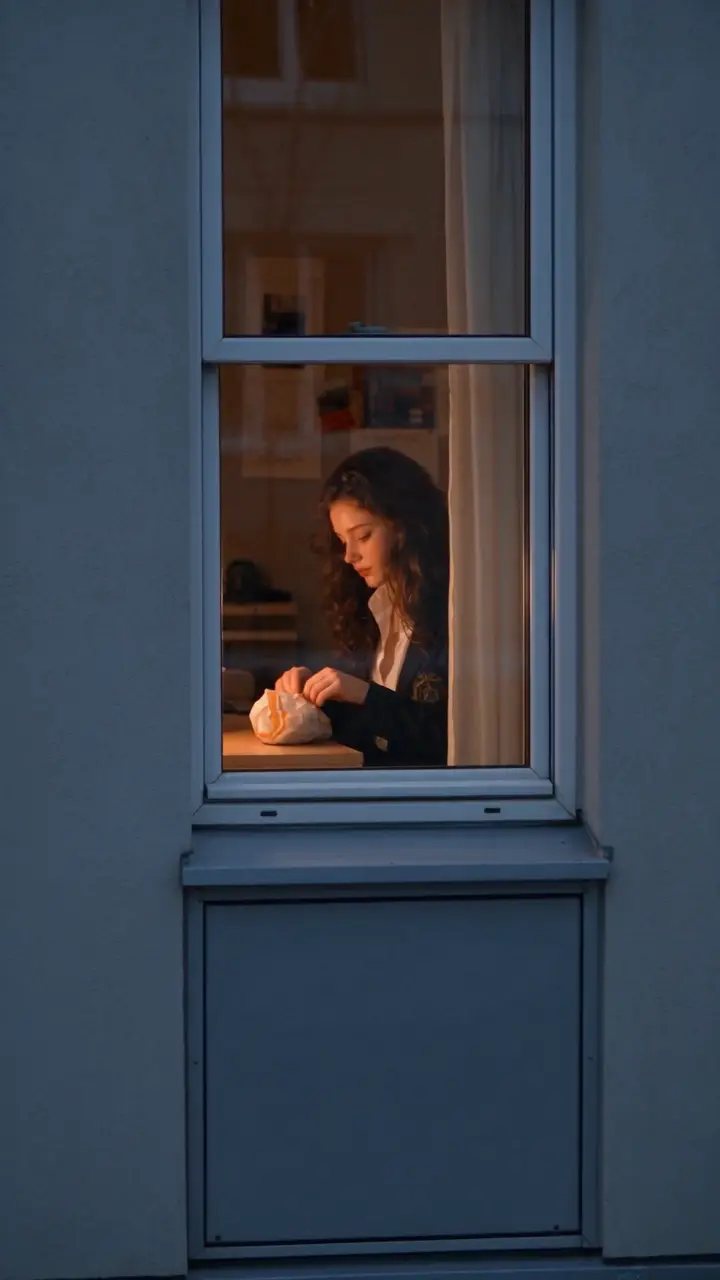
Second-person handheld POV
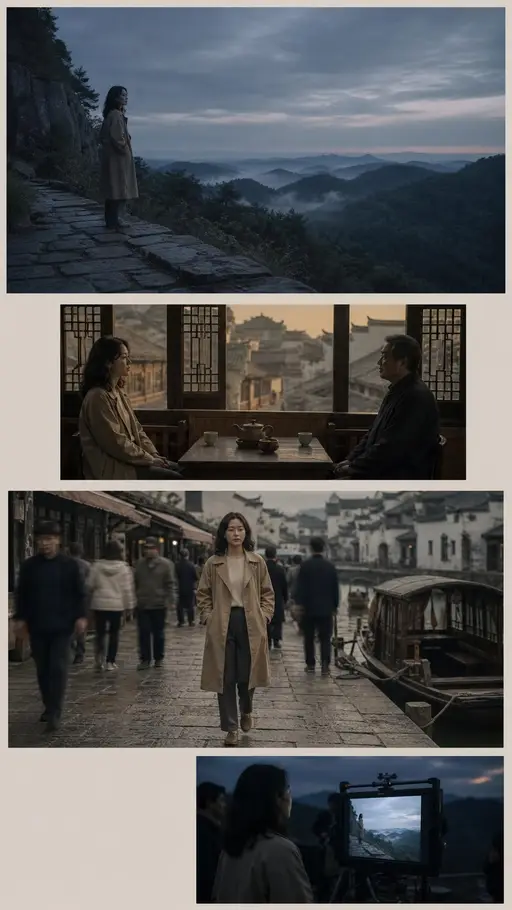
Cinematic storyboard
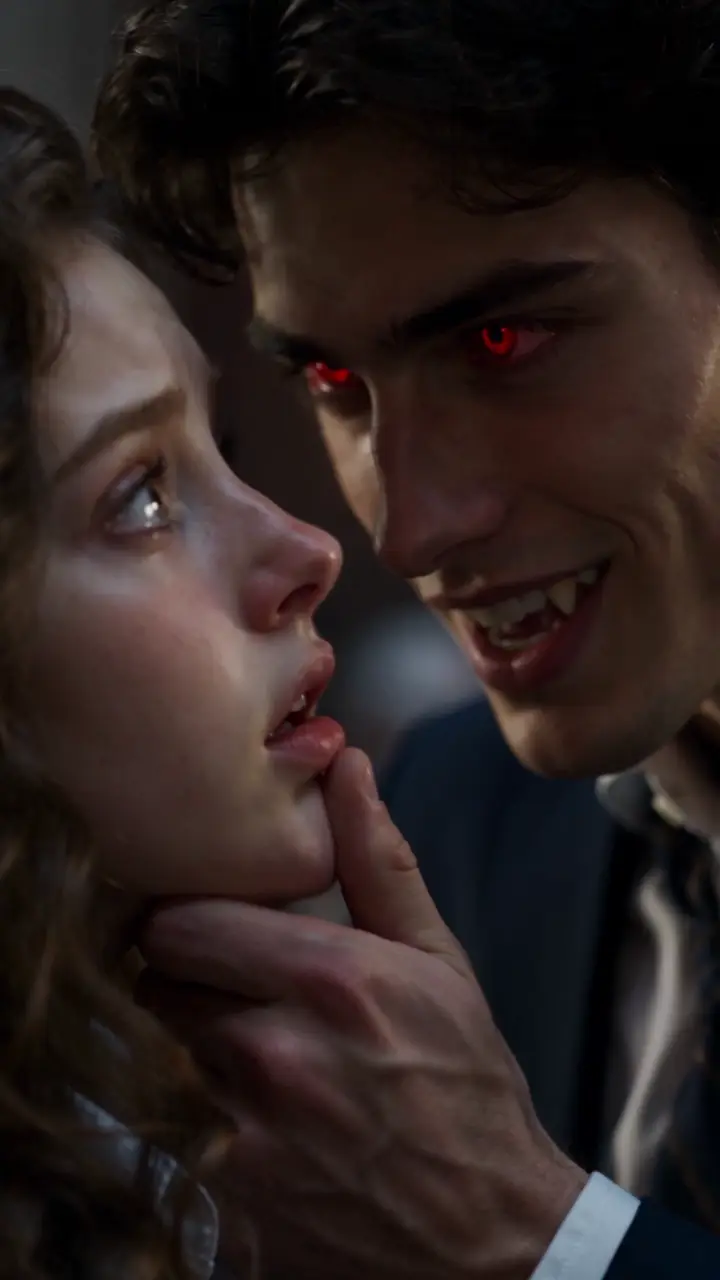
short-form drama creation
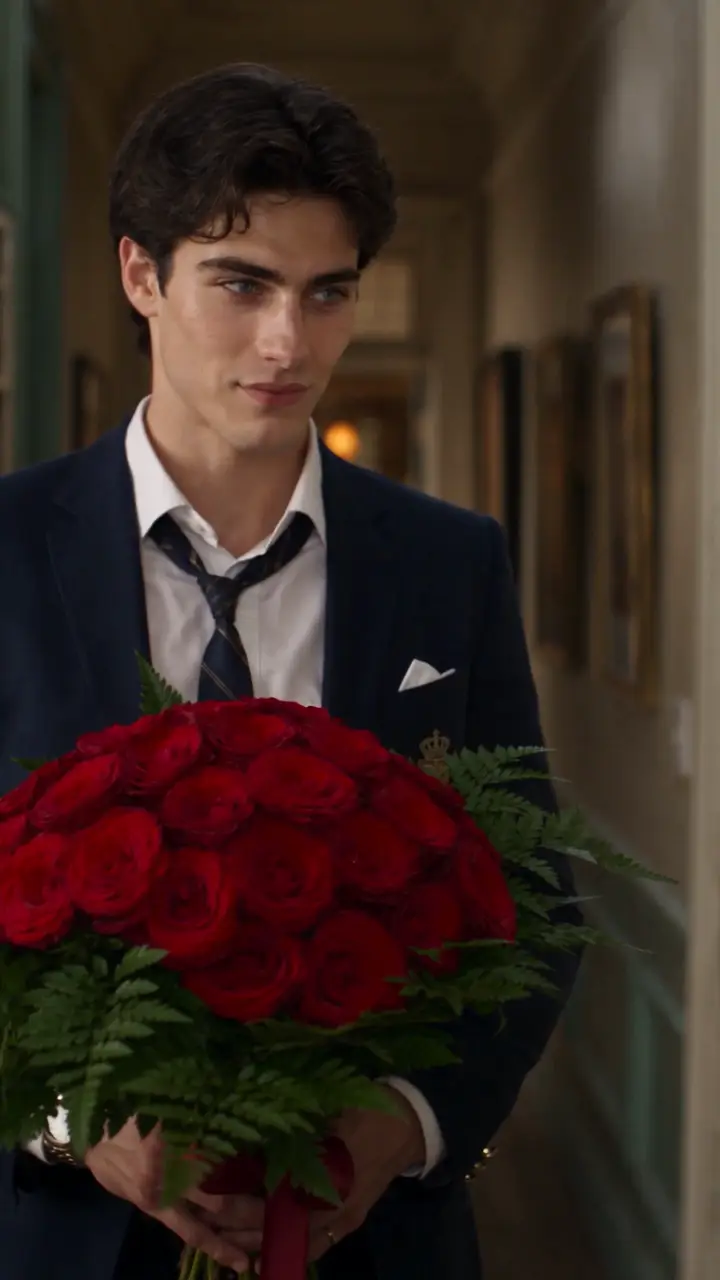
short-form drama creation
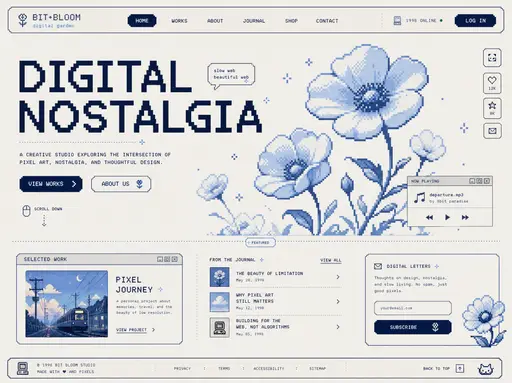
Pixel-art website
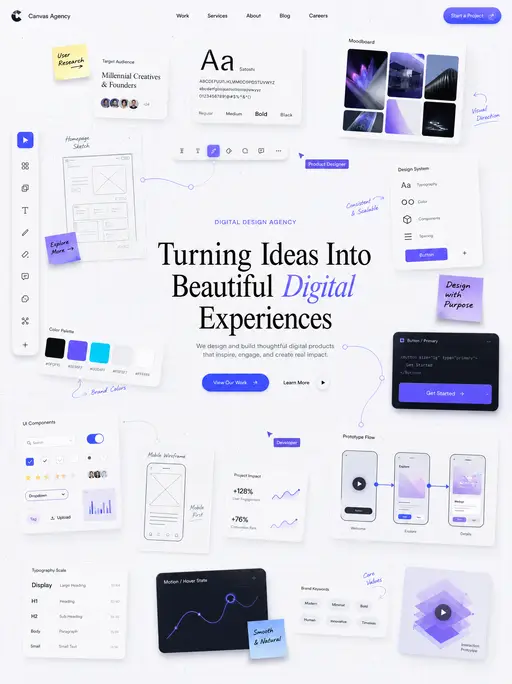
UI mockup
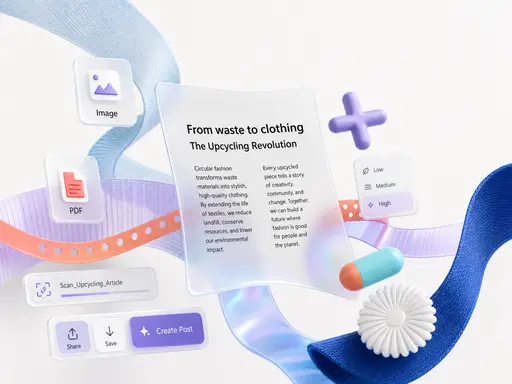
UI mockup

3D SaaS onboarding illustration floats
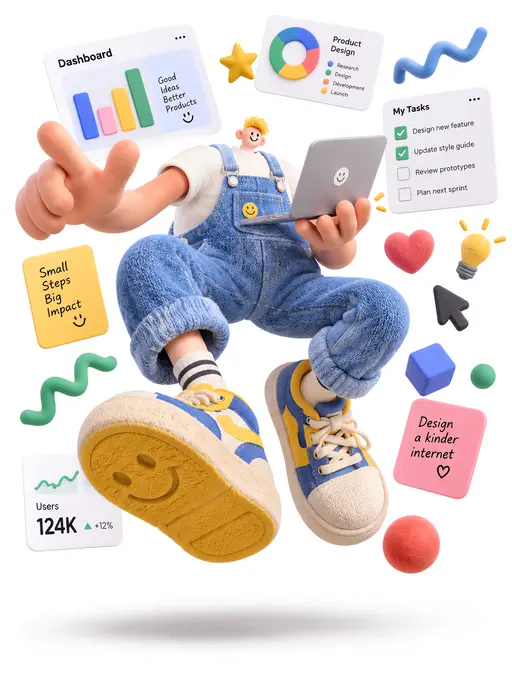
3D illustration