Pastel Memory Study
model
gpt-image-2
prompt
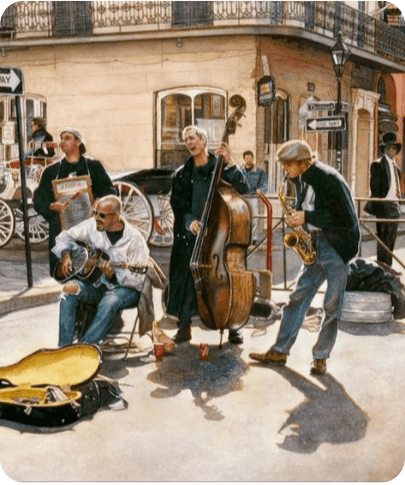
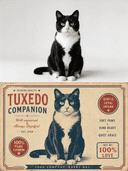
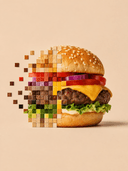
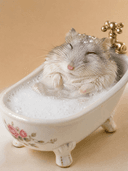
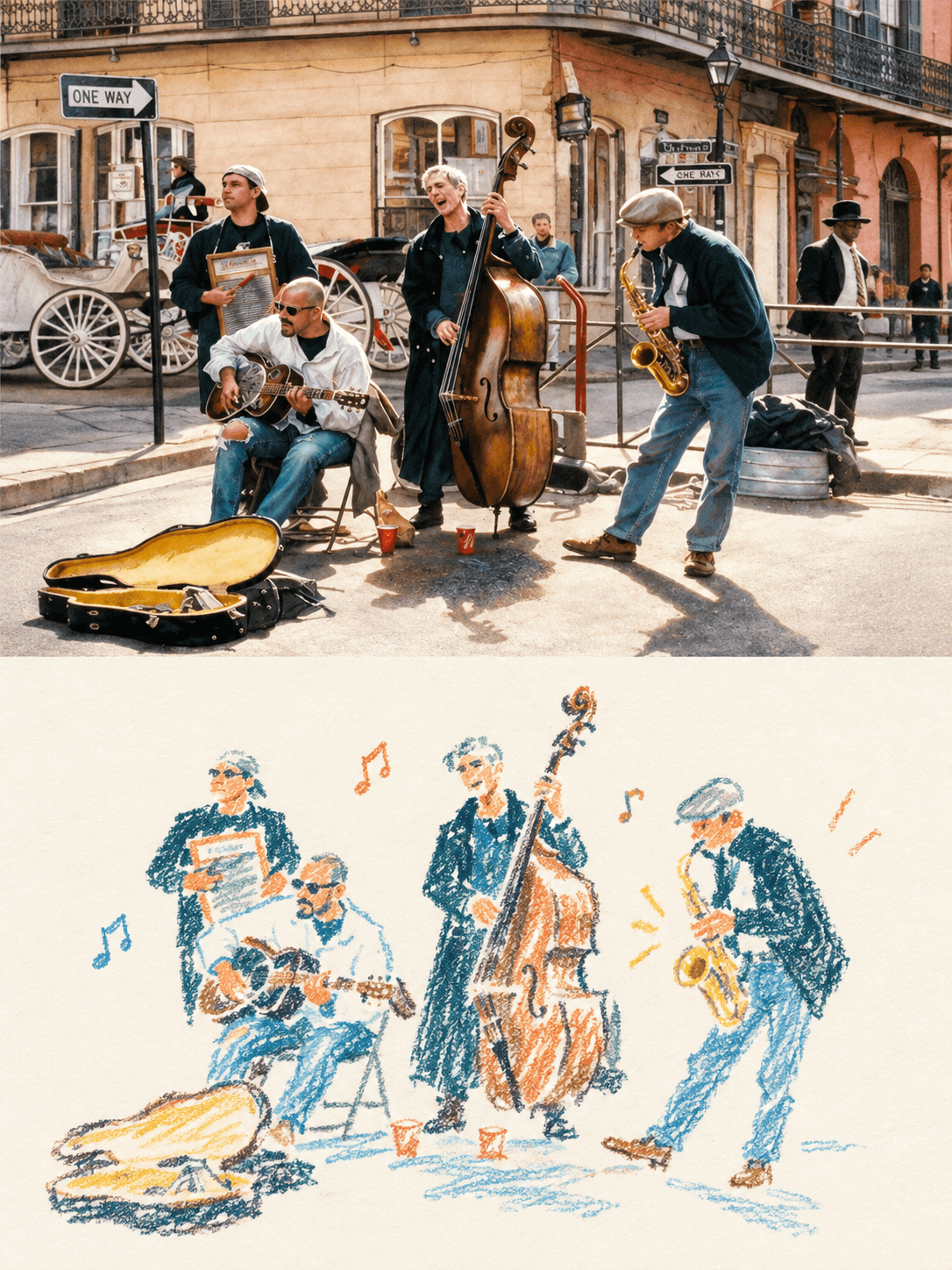
Source:Use each uploaded photo as the only visual source.Create one independent premium poster per upload and output each separately.Never combine photos.Format:Use a vertical 3:4 canvas split into two strictly equal horizontal halves,top 50% and bottom 50%,with a precise 1:1 division.Upper half:Keep the upload photographic.Preserve subject identity,structure,pose,real texture,natural light,and original color mood.Apply only subtle grading so it feels like an exhibition print.You may extend minor background areas to fit the layout,but never stretch,distort,mirror,replace,or redesign the subject.Lower half:Identify the most memorable part of the photo:the core theme,structure,emotion,and visual metaphor.Then reinterpret it as a pastel-crayon doodle on pale paper.Do not copy every object or fully redraw the whole scene.Keep only key contours,poses,directions,and memory points so the lower image is instantly linked to the photo above.Use simplification,gentle exaggeration,and recombination to create a distilled memory.Main subject drawing:Use coarse powdery chalk-and-crayon outlines.The line should be slightly thick,loose,dry,and hand-drawn,with visible grain,broken color loss,minor wobble,and not-fully-closed edges.Stroke ends feel blunt and soft.Inside the subject,add only a small amount of pastel color blocks,stripes,dots,or rubbed marks.Use the minimum information needed to suggest structure.Do not render realistic volume or full detail.Small elements:Stars,flowers,plants,objects,environment hints,and abstract signs must use the same line language,but be reduced into one-stroke or few-stroke doodles.They should feel naive and incomplete,mostly line-based with almost no fill.Never turn them into icons or stickers.Composition:Keep the lower half spacious and editorial.Build one small visual cluster from the main subject and a few tiny doodle marks,then leave most of the remaining space empty.The cluster may sit off-center,touch an edge,hover,or be partly cropped.White space is a major compositional element.Background:Use a very pale,bright,clean paper tone matched to the source warmth.Show only subtle paper fiber and fine grain.The background must stay clearly brighter than the subject lines and color blocks.Color:Extract 2 to 4 lively representative colors from the photo and remix them into soft bright pastel-crayon tones.Use clearer coral,soft blue,teal,warm orange,or gentle violet for key outlines and accents.Overall feeling:A refined memory study,with real photography above and a distilled crayon doodle below.Calm,airy,modern,and premium.If text appears,keep it tiny,English only,and secondary.Negative:No collage,no unequal split,no literal full redraw,no dense filling,no dark or dirty paper,no muddy palette,no sticker look,no refined icons,no polished digital illustration,no realistic shading,no 3D,no glossy rendering,no loud scrapbook clutter,no gibberish text,no watermark,no logo,no UI.
parameters
Reference Images