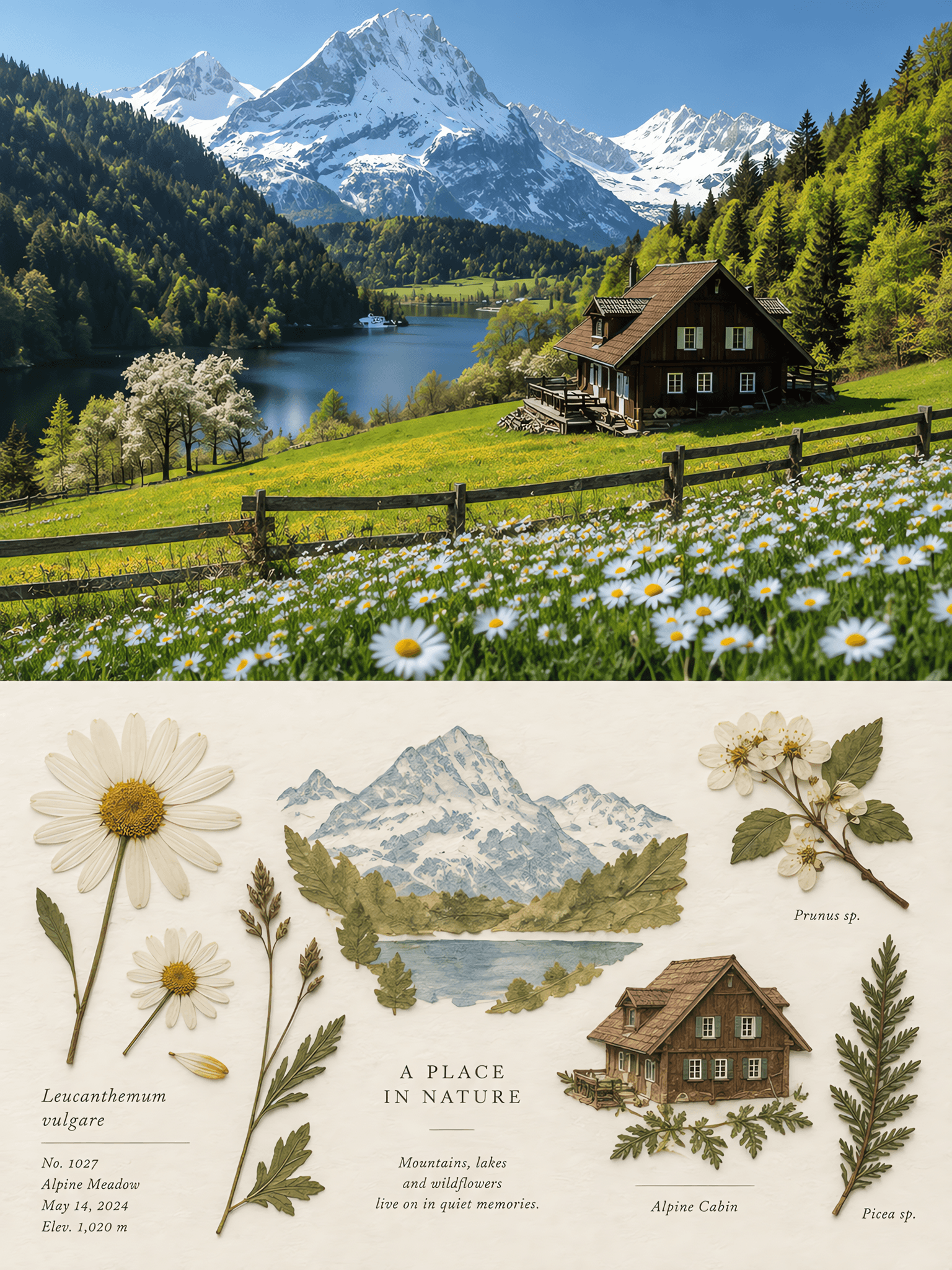
Pressed Memories
- Obraz
- 3:4
- 1536 × 2048
Przepis generowania
- model
- GPT Image 2.0
- rozdzielczość
- 2K
- jakość
- medium
- referencja

Prompt
Use each uploaded photo as the only visual source.Create one independent high-end editorial poster per photo and output each one separately.Do not combine multiple photos into one image and do not make a collage.Use a vertical 3:4 composition divided into two clearly separated horizontal halves,with the upper 50% and lower 50% occupying equal height.The overall concept is real photography above + pressed-specimen memory archive below. Upper Half·Original Photograph Keep the upper half fully photographic and faithful to the uploaded image.Preserve the subject’s identity,number,pose,outward features,clothing,accessories,interaction relationships,environment,perspective,natural light,and original color atmosphere.The subject may be a person,pet,animal,plant,object,architecture,or travel scene.Apply only subtle premium editorial color grading and an extremely light film-grain layer so the image feels like a page from an art magazine,independent publication,or exhibition photography series.If needed to fit the 3:4 format,you may only extend surrounding background areas naturally and seamlessly.Do not stretch,distort,replace,or redesign the subject.Do not place text,illustration,or decorative graphics in the upper half. Lower Half·Botanical Press Memory Reconstruction Reconstruct the same image as a pressed-specimen memory sheet on bright natural paper.The lower half should feel like a poetic botanical archive page,as if the memory from the photo has been gently flattened,pressed,and preserved inside a field notebook or specimen album.Do not make it look like a busy scrapbook or a craft collage.Instead,use a sparse,carefully composed botanical-archive language. Translate the main subject and selected environmental clues into flat preserved forms.A person may become a pressed-memory silhouette built from simplified clothing contours,flattened hair shapes,and preserved gesture fragments.A pet or animal may become a softly flattened preserved figure whose pose and direction remain recognizable.Architecture,roads,flowers,branches,grass,or objects may become pressed fragments,thin contour remnants,or specimen-like cut forms.The goal is not to redraw everything literally,but to preserve the most memorable identity cues,pose,structure,direction,and emotional tone of the original image in a flattened archival form. Visual Language and Material Logic Build the lower half using the visual logic of a specimen page:pressed leaves,dried petals,flattened flower heads,thin stems,delicate silhouette fragments,lightly faded preserved shapes,faint specimen shadows,tiny pin-marks,small collector marks,and carefully spaced labels.The page should feel like a real preserved-memory sheet made of fragile natural forms resting on paper,not like painted illustration or glossy digital collage.Forms should appear thin,pressed,gently desaturated,and lightly textured,with subtle paper contact shadows and slight translucency where appropriate. If the source photo contains people,pets,or strong narrative subjects,translate them into a pressed-memory composition rather than a literal human or animal drawing.For example,clothing outline may become leaf-like fabric contours,hair may become soft pressed fibers,a walking pose may be suggested by flattened limb silhouettes,and a pet’s body may be simplified into preserved curved forms while keeping its posture immediately recognizable.Environmental clues such as branches,flowers,grass,shorelines,window shapes,chairs,or travel details may appear as selected preserved fragments around the main subject. Composition Keep the lower half sparse,airy,and archival.Use generous negative space on bright off-white,ivory,or pale natural paper.The preserved subject should occupy only a moderate central or slightly offset area,with surrounding fragments arranged in a calm,editorial way.Do not fill the page.Use asymmetry and breathing room.The result should feel scientific yet poetic,quiet yet highly designed. Typography and Annotation You may add a very small amount of restrained archival text,such as tiny specimen numbers,collector notes,micro labels,or a short Latin-style or observational notation.Keep all text minimal,light,and secondary.Let it feel like refined archive annotation rather than a poster headline.Text should sit naturally in the blank paper areas and never dominate the composition. Color System Extract the main colors from the original photograph and reinterpret them as softened preserved-natural tones.Use restrained botanical colors such as faded greens,dried rose pinks,soft yellows,warm browns,pale violets,muted blues,or quiet cream neutrals.Keep the palette light,natural,and memory-like.Avoid harsh saturation,fluorescent color,and graphic poster contrast. Overall Style Goal The final poster should feel like a premium editorial art print:real photography above,and below,the same moment transformed into a pressed botanical memory archive.The lower half should feel preserved,delicate,observational,and emotionally resonant—as if the memory has been collected,pressed into paper,and kept for a long time. Negative Constraints No multi-photo collage,no scrapbook overload,no crowded craft decoration,no glossy digital collage,no realistic full-scene redraw,no heavy painting,no thick 3D texture,no loud poster headline,no dense layout,no random stickers,no messy journal clutter,no decorative border overload,no logo,no watermark,no UI,and no gibberish text.
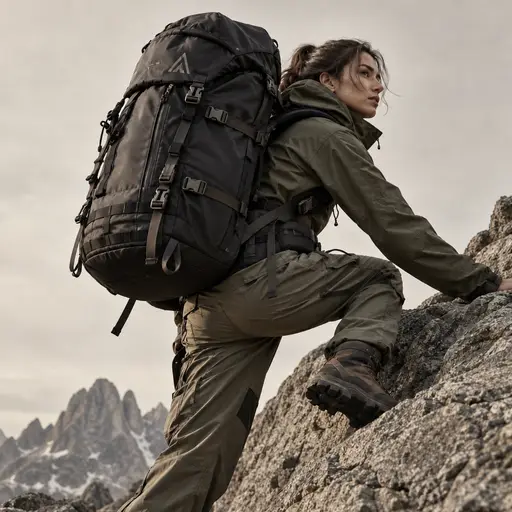
outdoor photography
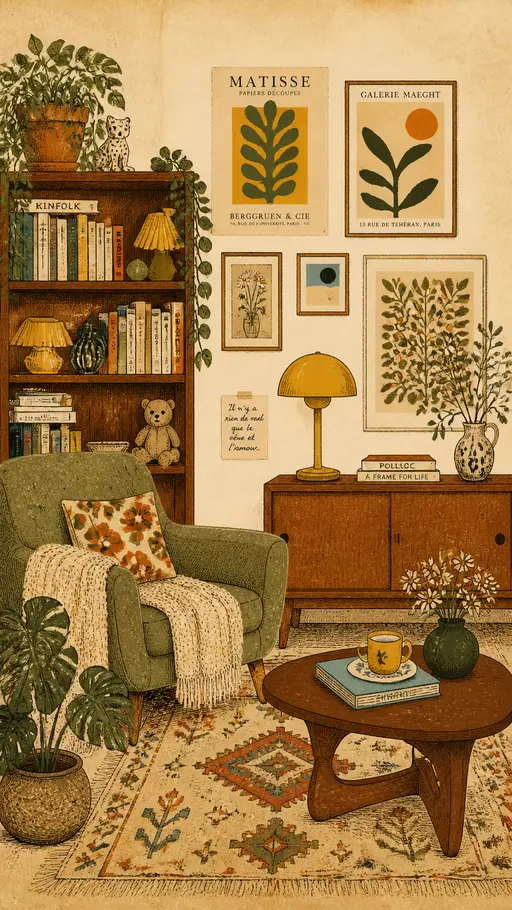
vintage interior illustration
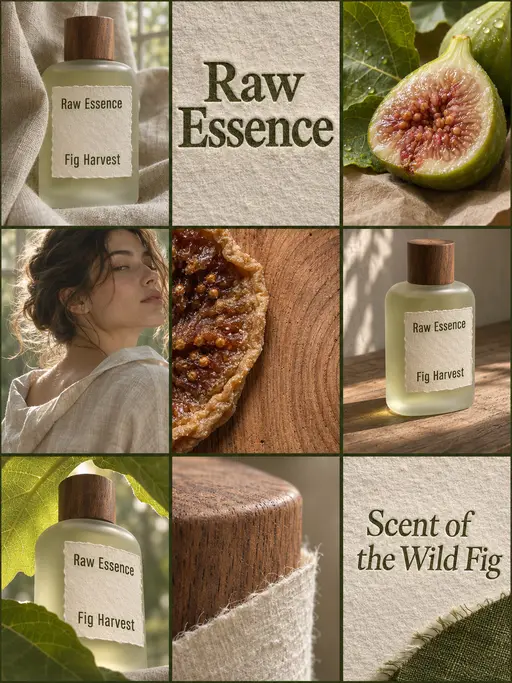
perfume advertising poster
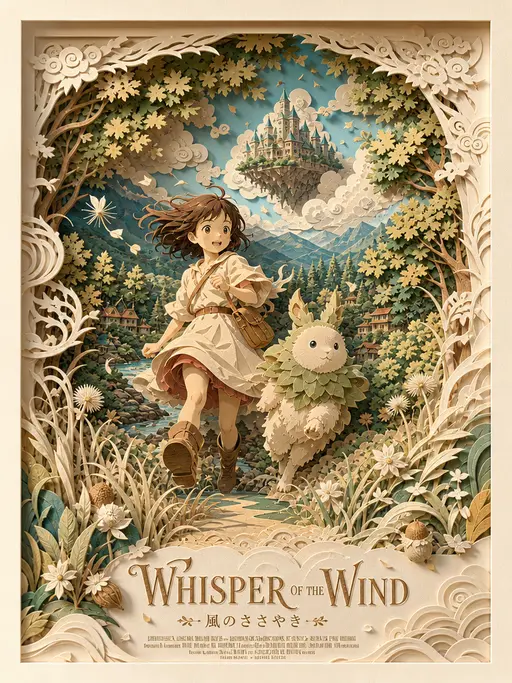
3D layered papercraft poster
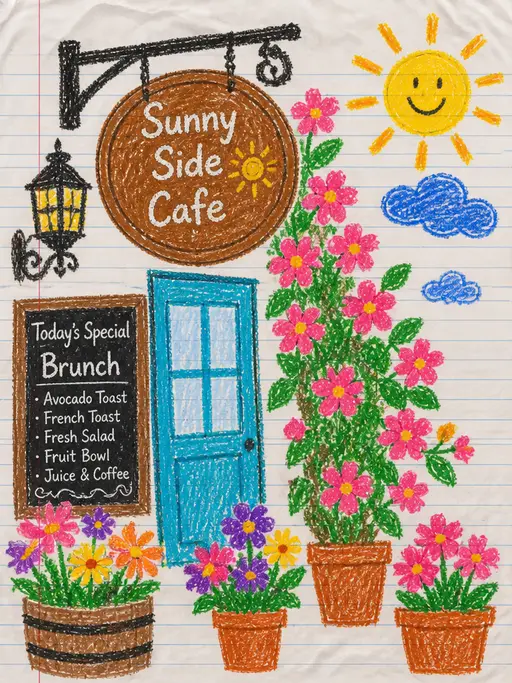
child's crayon drawing
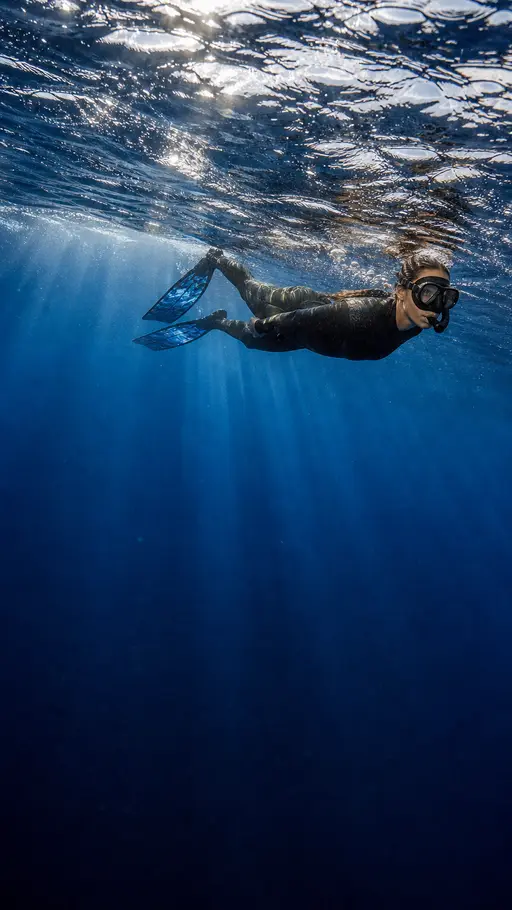
Underwater photography
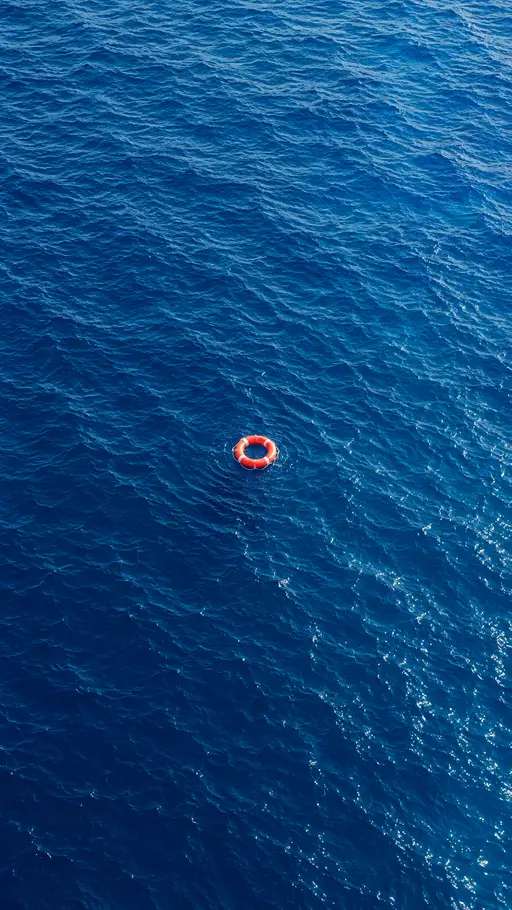
blue ocean
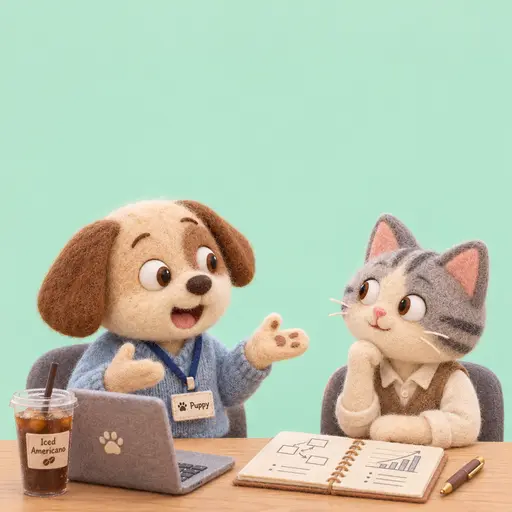
Felt-textured cartoon avatars
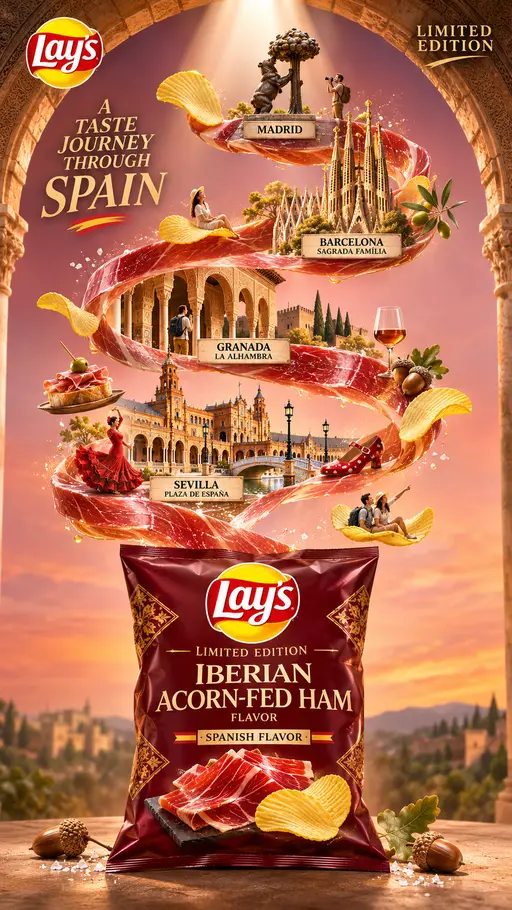
Creative Potato Chip Posters
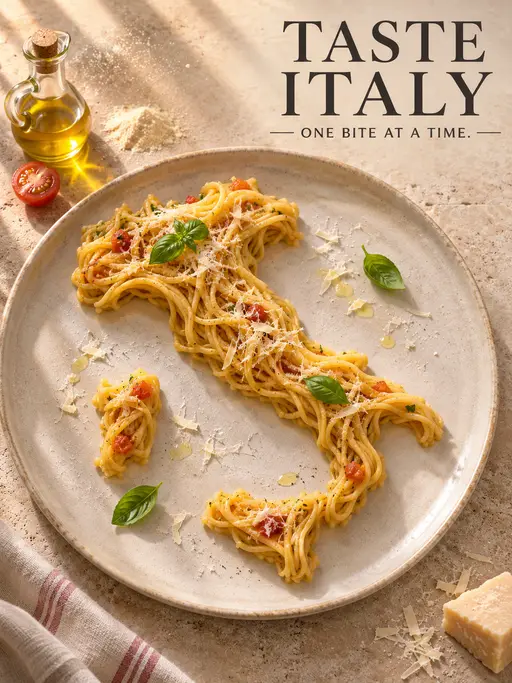
Food Advertising Posters
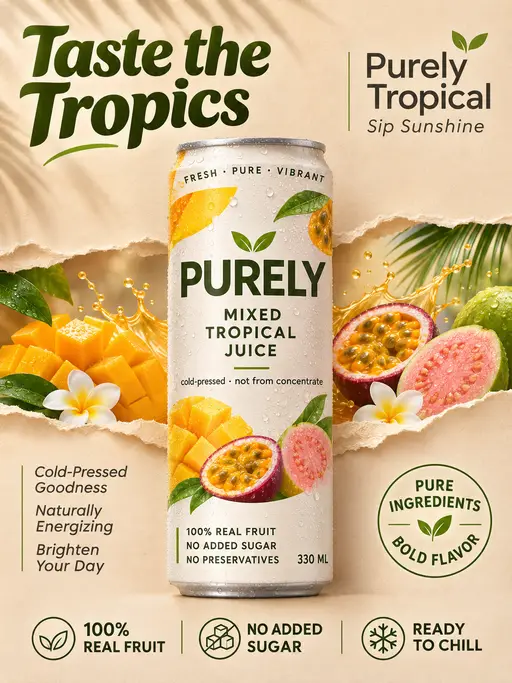
Fruit Juice Product Poster
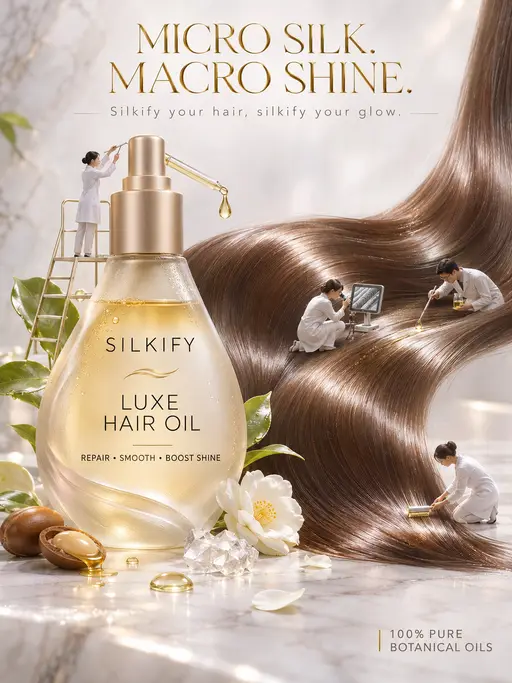
Advertisement Poster for Hair Care Essential Oil
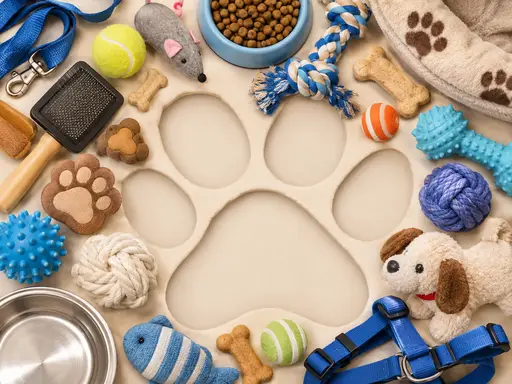
Pet Lifestyle Theme Creation
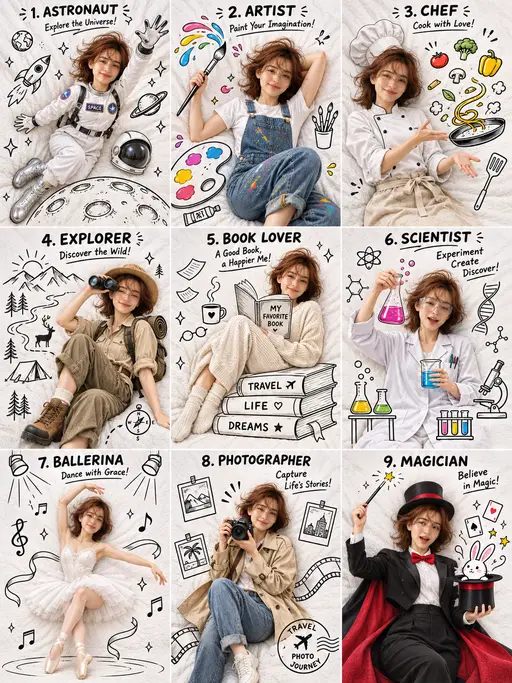
3×3 collage
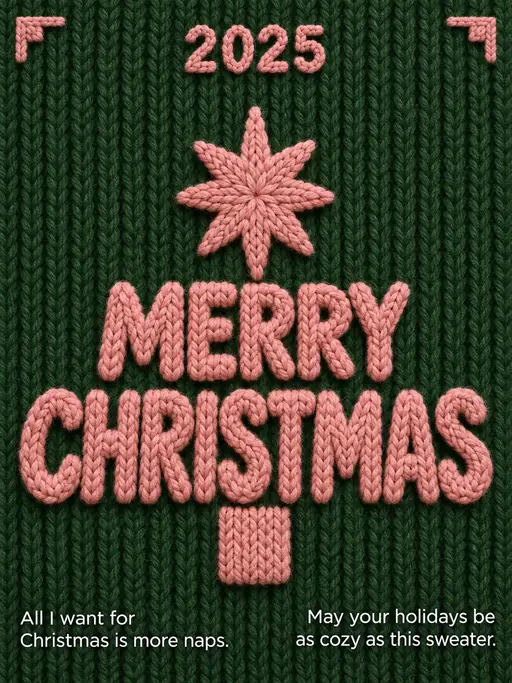
Christmas poster