Love this? Log in to make your own version.
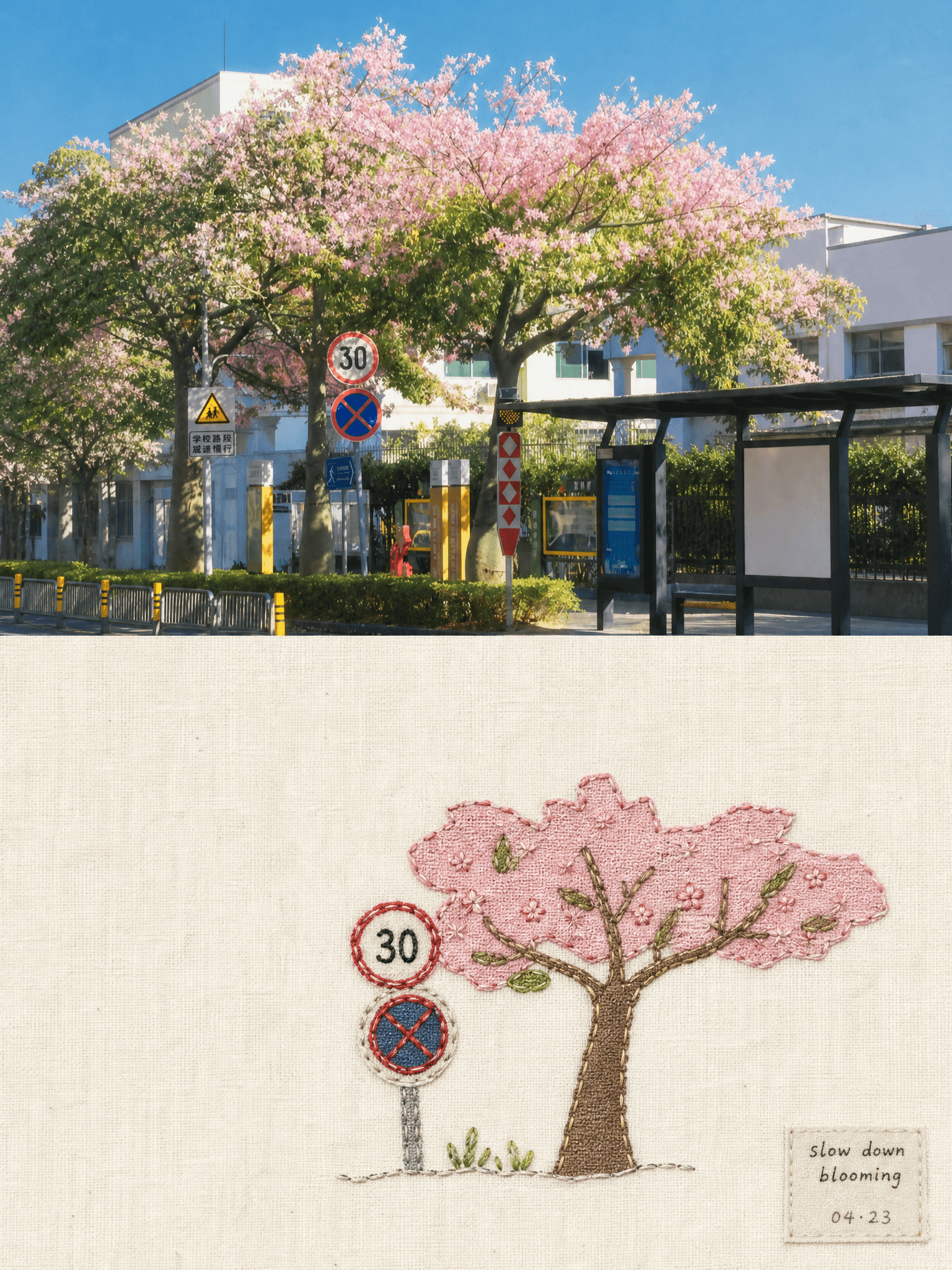
Stitched Memory
- Image
- 3:4
- 1536 × 2048
Generation recipe
- model
- GPT Image 2.0
- resolution
- 2K
- quality
- medium
- reference

Prompt
Source:Use each uploaded photo as the only visual source.Create one independent premium design poster per upload and output each separately.Do not combine multiple photos into one image and do not make a collage. Format:Use a strict vertical 3:4 composition divided into two exactly equal horizontal sections.The top 50% and bottom 50% must occupy the frame equally,with a clear 1:1 split.The overall poster should feel refined,editorial,and collectible. Upper Half·Original Photograph:Keep the upper half photographic and faithful to the uploaded image.Preserve the subject’s identity,structure,pose,real texture,natural lighting,and original color atmosphere.Apply only subtle high-end editorial color grading so the image feels like a page from an art magazine or independent publication.If necessary to fit the layout,you may naturally extend surrounding environmental areas,but only in a seamless and believable way.Never stretch,distort,or redesign the subject.Do not change the person,animal,object,or core scene. Lower Half·Embroidery Collage Reconstruction:Extract only the most recognizable visual memory points from the original image,such as the main subject’s silhouette,pose,hairstyle,clothing,props,and key narrative relationship.Reconstruct these elements as a stitched textile artwork in a clearly visible embroidery-collage / hand-stitched poster style.Do not copy the full original scene.Do not preserve all background information and do not mechanically redraw every detail.Keep only the most essential features that make the subject instantly recognizable. Core Style Requirement:The lower half must immediately read as embroidery and patchwork from a distance.It must not look like a delicate digital illustration or a polished painting.Build the subject from large fabric pieces joined together with bold visible stitching.Show unmistakable applique,patchwork,raw fabric edges,loose threads,uneven cloth borders,stitched edge finishes,and clear needle paths.The image should feel handmade,textile-based,and tactile. Embroidery Construction:Construct the subject from cut fabric shapes and coarse thread.Use enlarged and clearly visible stitch types such as backstitch,chain stitch,running stitch,and cross-stitch.The stitches should be thick,low-density,and visibly spaced so that the needlework remains obvious even at a glance.Emphasize the logic of cloth and thread rather than painterly shading.Allow imperfect sewing lines,slight irregularity,and handmade asymmetry. Optional Small Textile Details:You may add a very small number of restrained textile accents such as a button,a tiny sewn cloth label,or a short decorative seam,but keep these minimal and secondary.They should support the handmade feeling without turning the lower half into a busy craft display. Composition of the Lower Half:Use large negative space based on warm white,cream,or pale linen fabric as the foundation.The embroidered subject should occupy only a relatively small portion of the lower half.It may sit off-center,near an edge,or be partially cropped if compositionally appropriate.Reduce rather than fill.Leave plenty of calm blank cloth around the subject.The background should contain only the absolute minimum number of supporting elements needed to preserve recognition and should never create a second focal center. Color System:Keep the palette highly restrained.Use only 2 to 3 main colors,plus dark gray or black stitching,and a warm white fabric ground.If the source photo contains many colors,proactively discard most of them and preserve only the most important color memory point or most representative small palette.The overall color impression should be low-saturation,unified,clean,and warm,with a quiet handcrafted charm. Material and Surface Quality:Make the textile quality highly visible.Show fabric grain,linen or cotton texture,soft cloth thickness,raw edges,stitched seams,slightly uneven applique contours,and exposed thread ends.The lower half should feel touchable and materially rich,like a real handmade stitched piece mounted on fabric.Avoid smooth digital surfaces,glossy rendering,and polished artificial perfection. Typography:You may add a very small amount of subtle editorial text,such as a cloth-label style word,a date,a serial number,or a brief handwritten phrase.Place it lightly in the blank area so it feels quiet and integrated rather than dominant.Keep text minimal,delicate,and secondary. Overall Mood:The final poster should feel rustic,handmade,vintage,gentle,healing,quiet,and collectible.The top half preserves the real photograph,while the bottom half transforms its most memorable essence into a warm embroidered keepsake. Negative:No polished pretty illustration,no refined digital painting,no dreamy picture-book aesthetic,no smooth gradient,no glossy vector look,no excessive lace feeling,no over-detailed reconstruction,no invisible stitches,no unclear fabric texture,no stitches that are too fine,no weak embroidery effect,no full original-scene copy,no edge-to-edge crowded composition,no oversized subject,no highly saturated multicolor palette,no 3D rendering,no generic commercial template,and no plastic AI look.

Sports Figure Poster
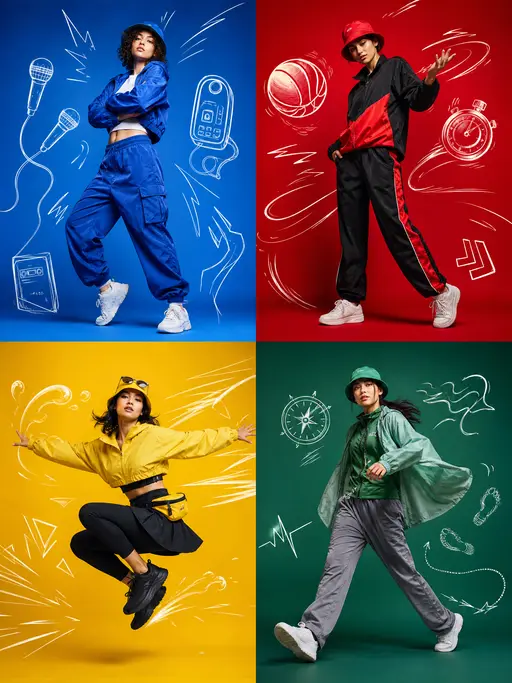
Sports Illustration × Photorealistic Poster
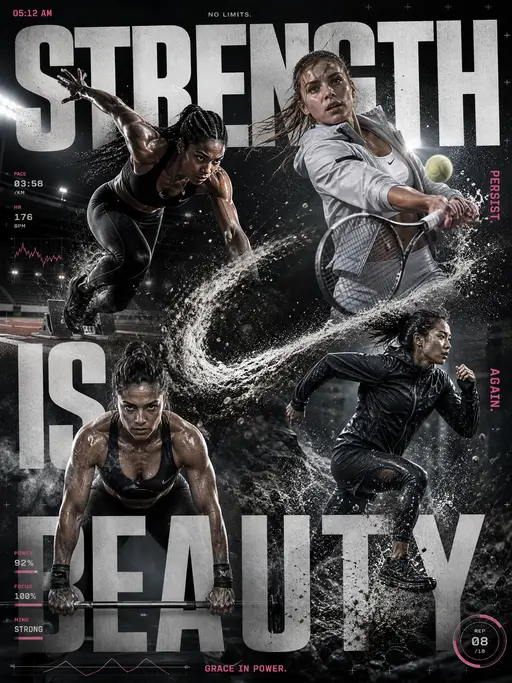
Athletic Character Poster
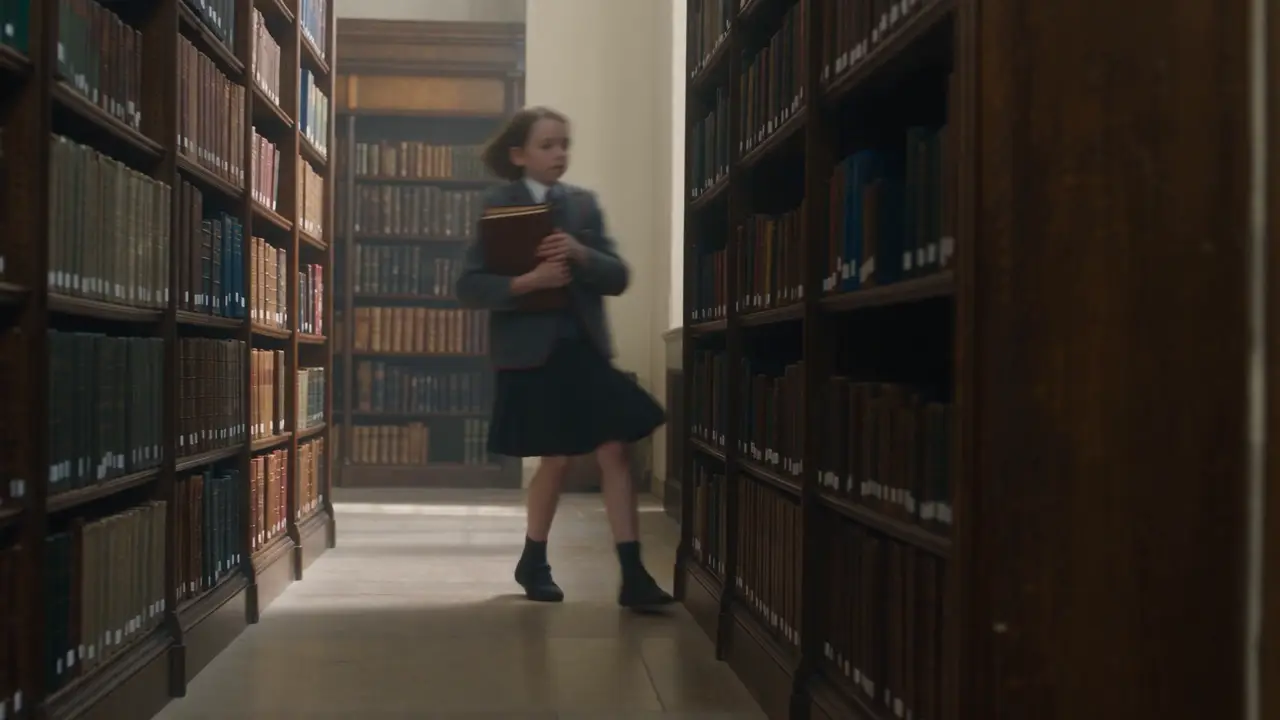
micro drama
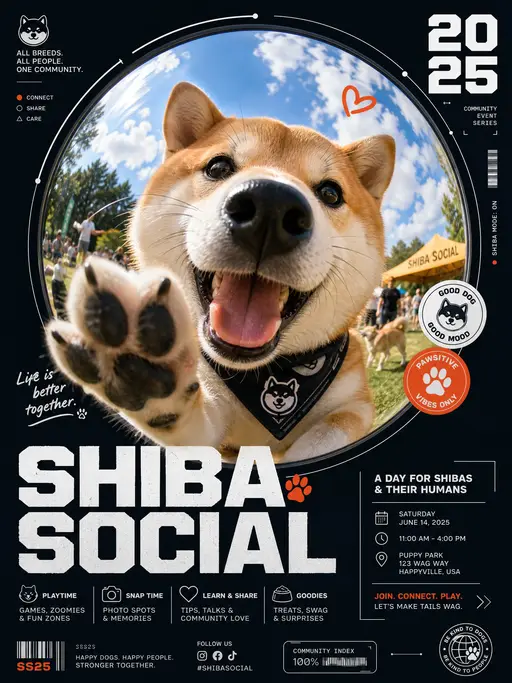
pet poster
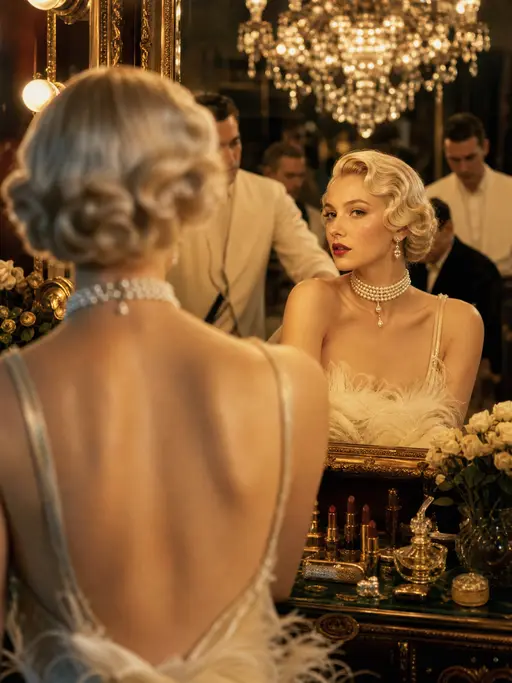
Cinematic photograph
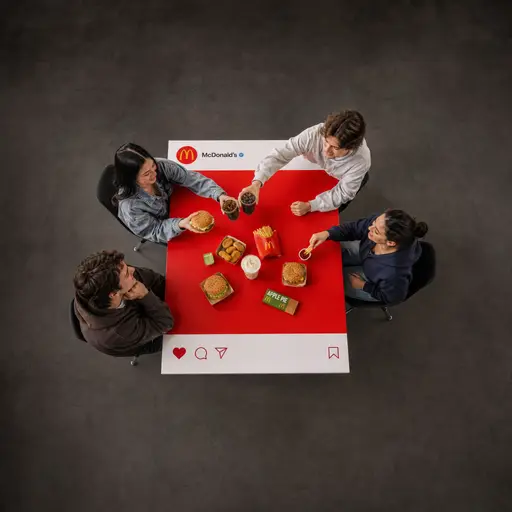
brand poster
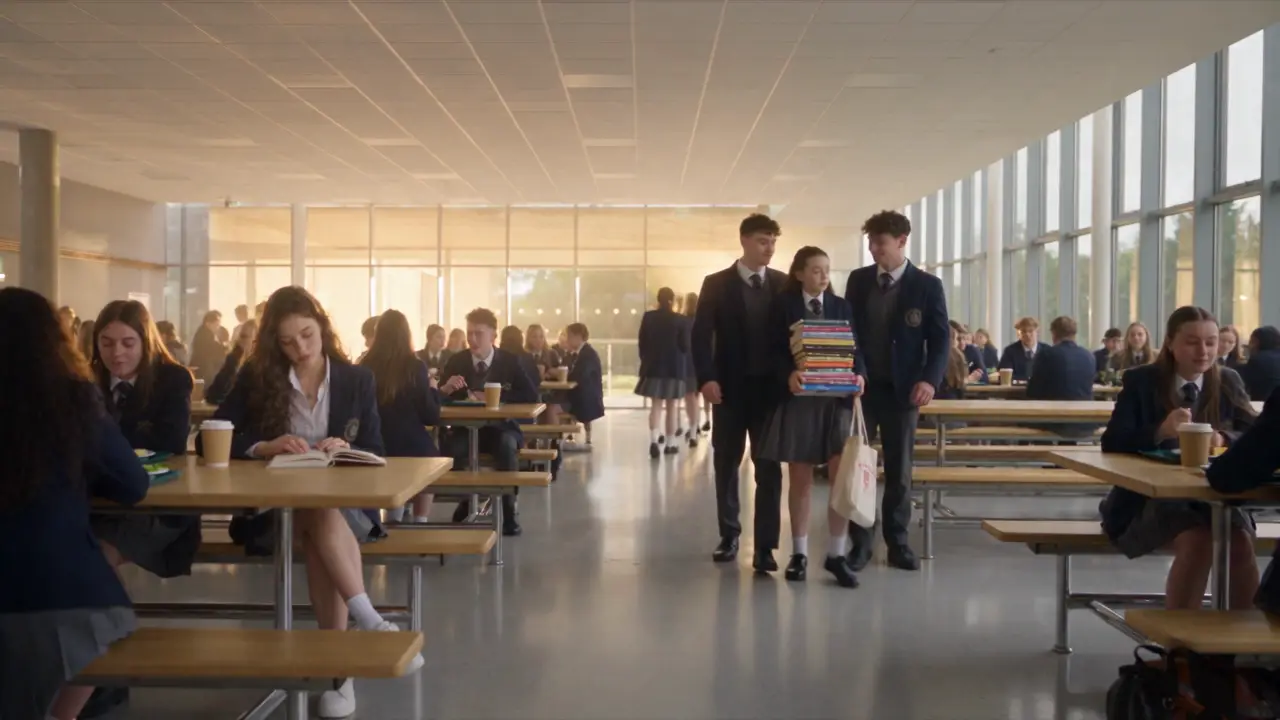
micro- drama
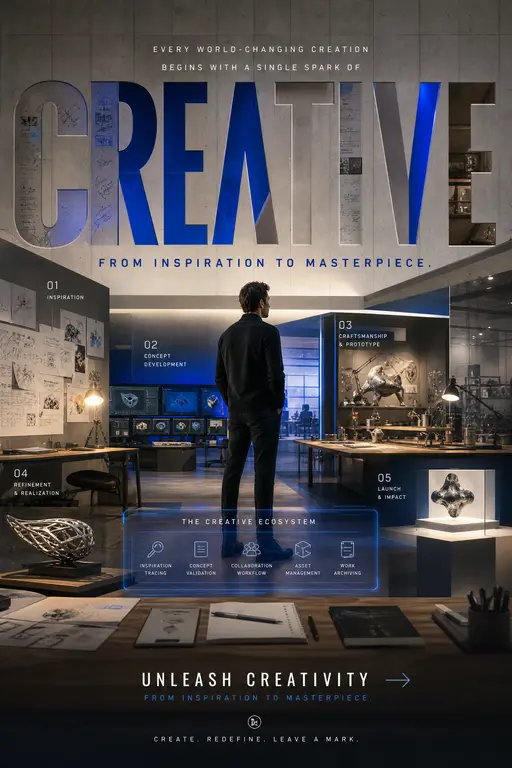
Global Brand Campaign Poster

Pilates studio landing page UI design
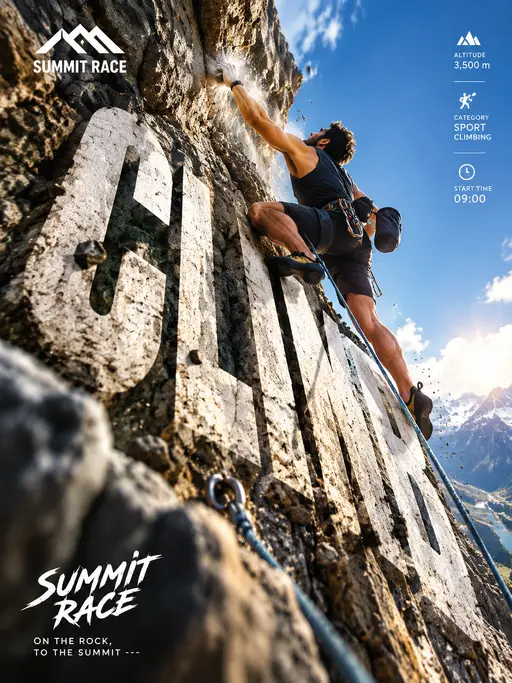
Vertical Outdoor Rock Climbing Competition Poster
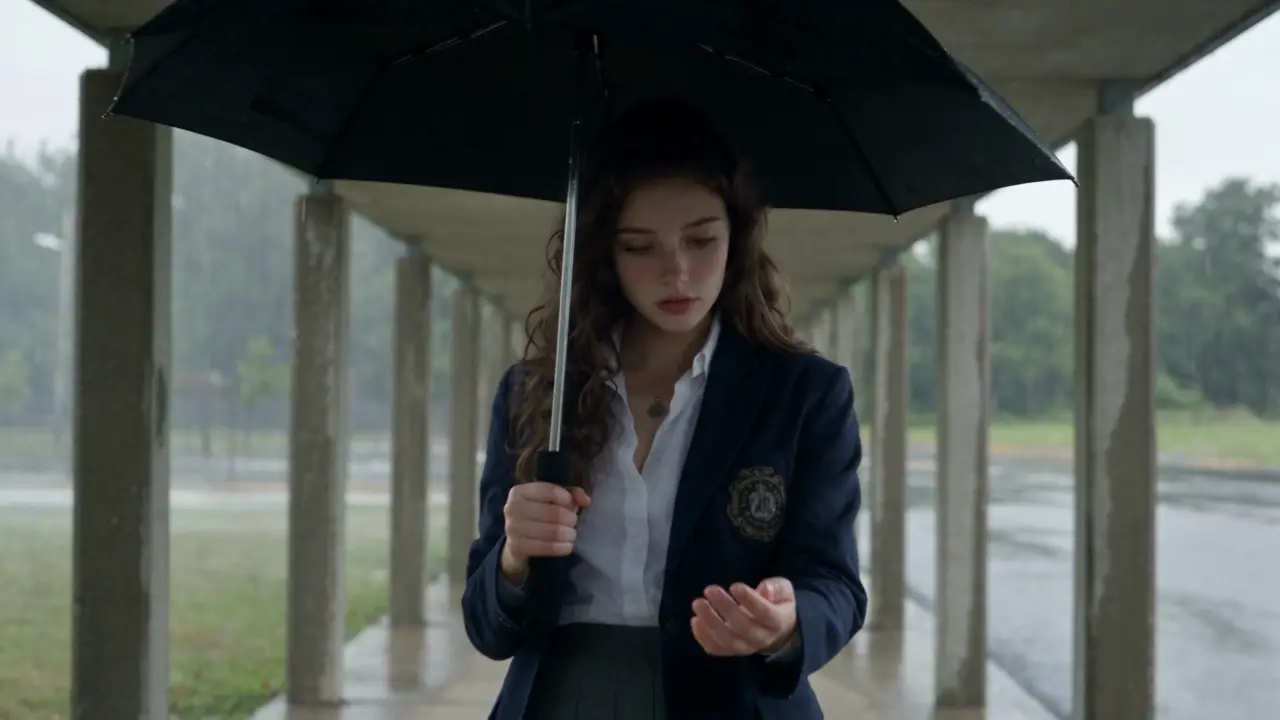
Micro-drama
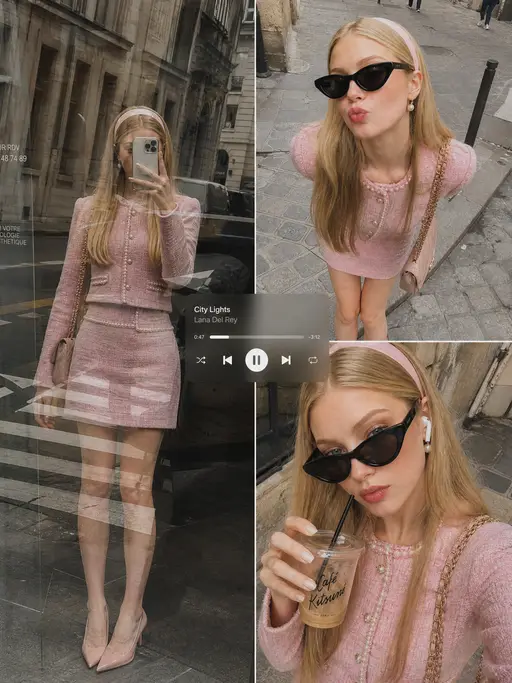
Instagram-style candid shot
2000s American teen-campus vignette
Daily routine