Love this? Log in to make your own version.
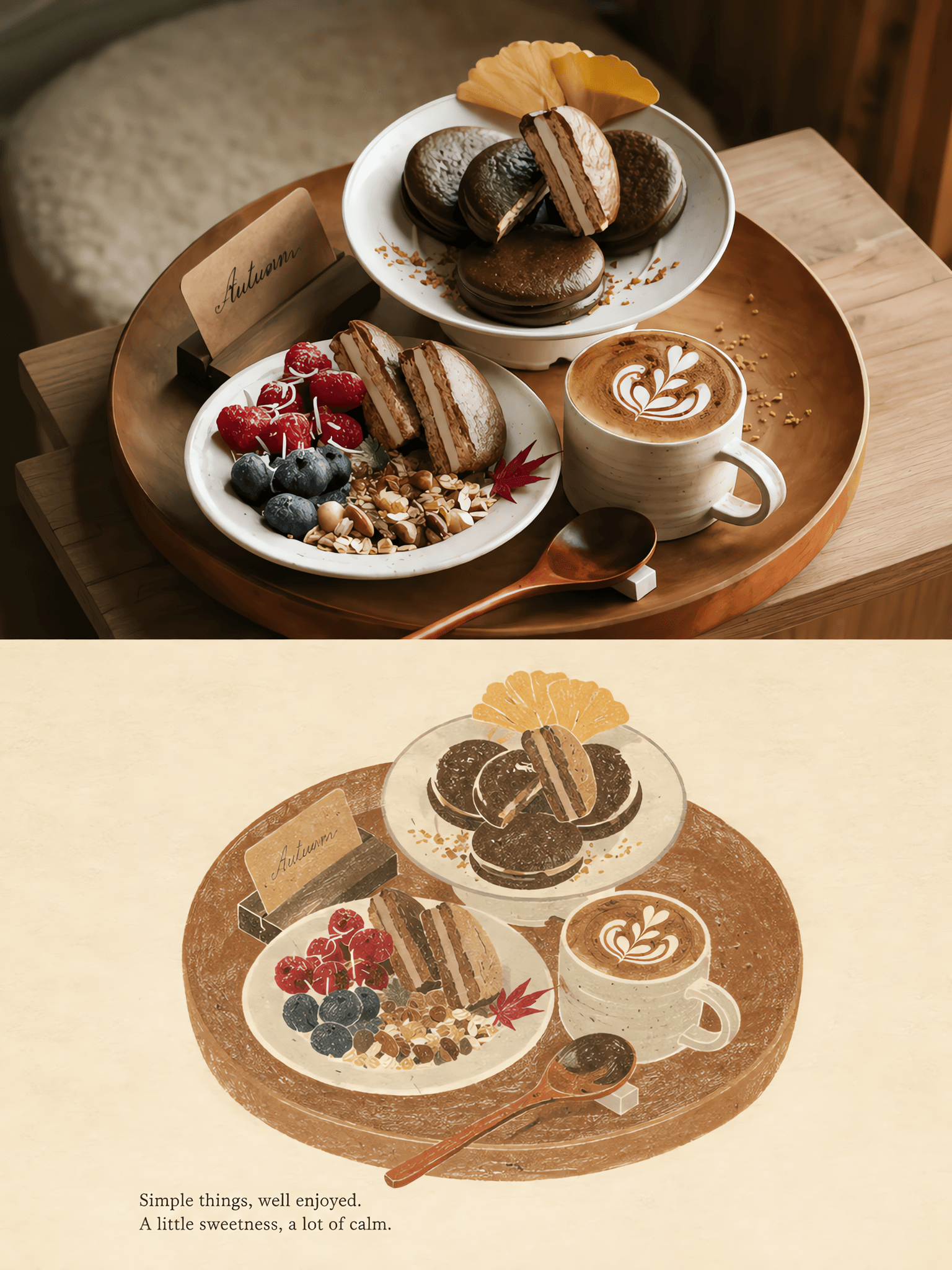
Table Memory Poster
- Image
- 3:4
- 1536 × 2048
Generation recipe
- model
- GPT Image 2.0
- resolution
- 2K
- quality
- medium
- reference

Prompt
Use the uploaded everyday dining-table photo as the only content source.Create a vertical 3:4 premium poster that combines real photography and a minimal illustration while keeping the main scene recognizable.Preserve the original subjects,object count,key food items,tableware,spatial relationships,and overall composition.Do not invent new dishes,props,or decorations.Do not change,remove,or replace the main objects. Format and layout:Split the poster into two equal horizontal sections,50% top and 50% bottom.The top half keeps the original photo with a clear photographic look.Crop naturally to fit the format,but do not distort,mirror,or alter the scene.Keep real textures,natural lighting,and the original color atmosphere,with only subtle editorial color grading. Bottom half:Place a centered horizontal illustration of the same table scene on a warm ivory handmade-paper background.The illustrated scene should occupy about 58-62% of the width of the lower half,with generous blank space around it.Redraw the dining-table setup as a simplified flat illustration based directly on the photo.Preserve the key objects,their placement,their relative scale,and the overall visual logic of the meal scene,but simplify them into quiet graphic forms. Illustration style:Use a restrained,slightly naive editorial drawing language with soft geometric simplification and clean silhouettes.Allow mild irregularity in the outlines,slight misalignment,and small proportional imperfections.Do not chase precise perspective,photoreal structure,or excessive detail.The table,plates,bowls,cups,food shapes,and utensils should remain identifiable at a glance. Color:Extract 4-6 representative colors from the photo and translate them into a soft,low-saturation palette built around creamy white,gray-blue,brick red,caramel brown,olive green,and pale yellow.Use flat fills with very gentle tonal variation only.Avoid strong gradients,3D rendering,dramatic highlights,or heavy shadows. Texture and finish:Blend crayon,pastel,screen-print,and old-book illustration qualities.Keep visible paper grain,slight pigment unevenness,subtle off-register color shifts,and a warm printed-on-old-paper feeling.Allow the handmade paper to breathe through the image.The overall mood should feel calm,warm,gentle,and editorial,like an independent magazine illustration printed on aged paper. Typography:Below the illustration,you may add exactly two short lines of relaxed English copy in a small vintage serif font,left-aligned.If clean readable text cannot be generated,leave the area blank instead of producing gibberish.The text should feel casual,light,and understated. Cleanup and exclusions:Remove phone UI,video-call windows,subtitles,screenshot elements,icons,and interface traces.Do not add black borders.Avoid realistic painting,polished watercolor,anime,vector clip-art,oil paint,thick impasto,3D rendering,logos,watermarks,or unrelated decorative elements.
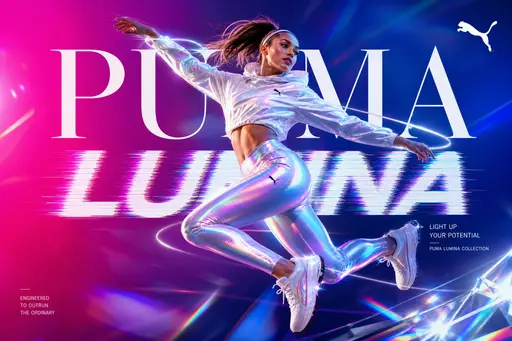
Sports Figure Poster
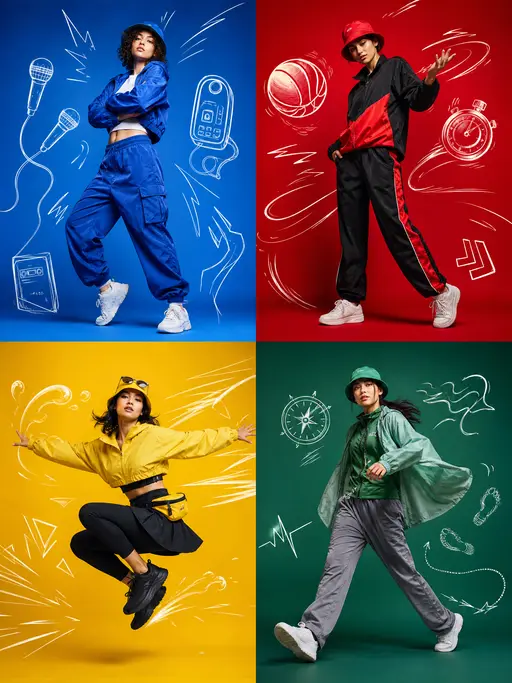
Sports Illustration × Photorealistic Poster
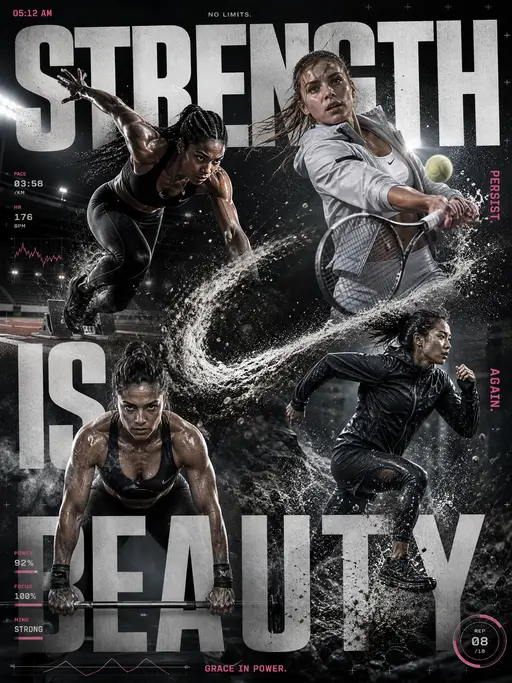
Athletic Character Poster
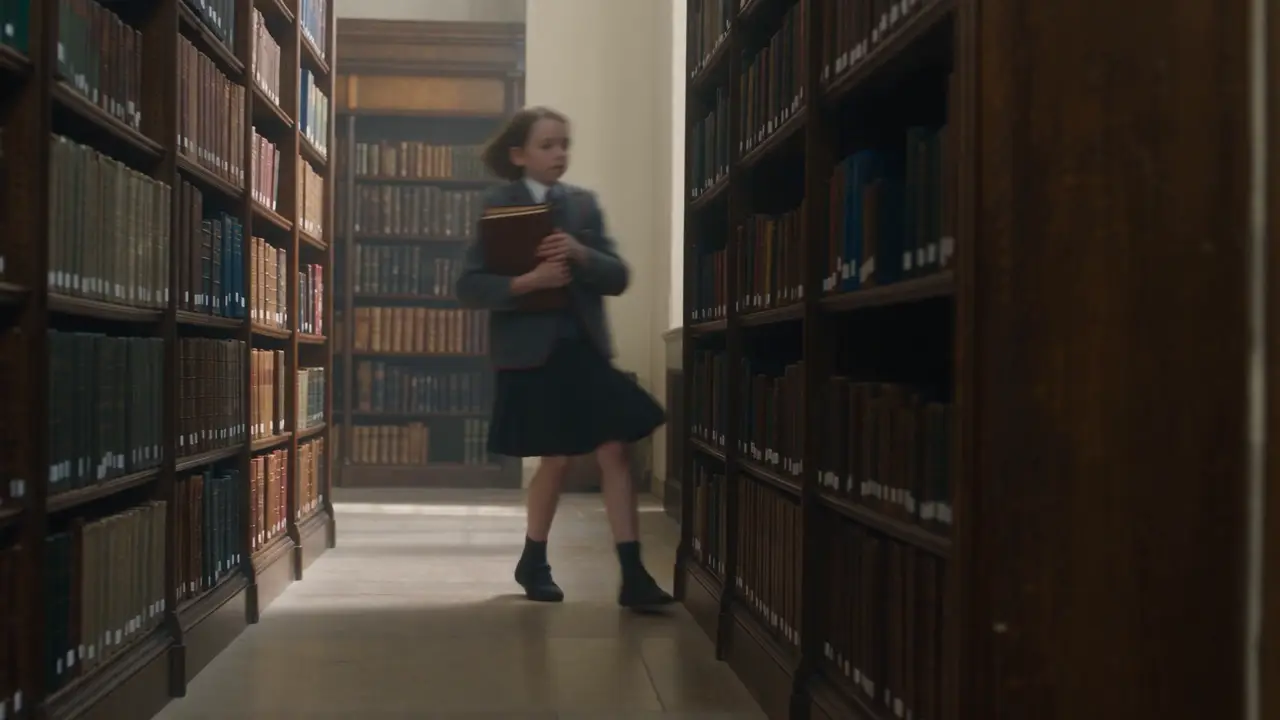
micro drama
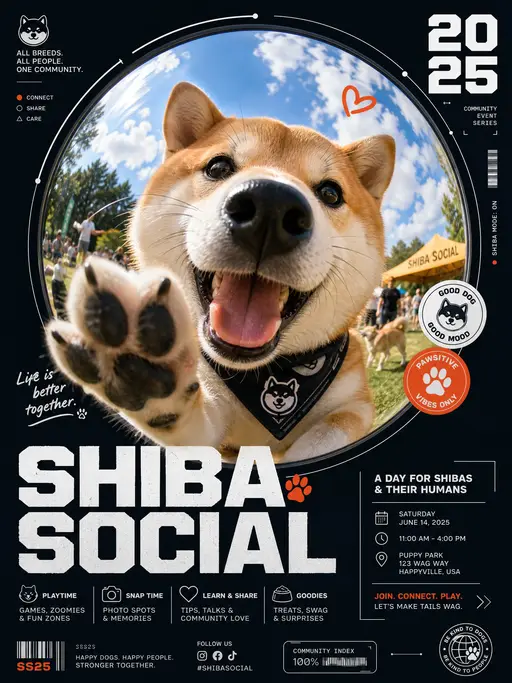
pet poster
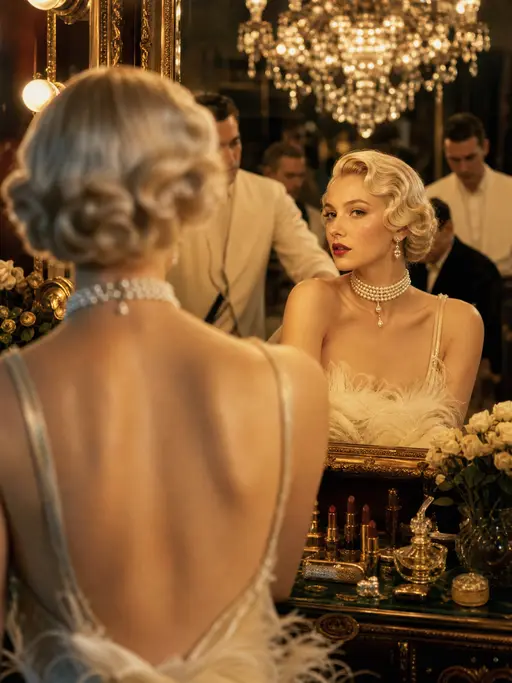
Cinematic photograph
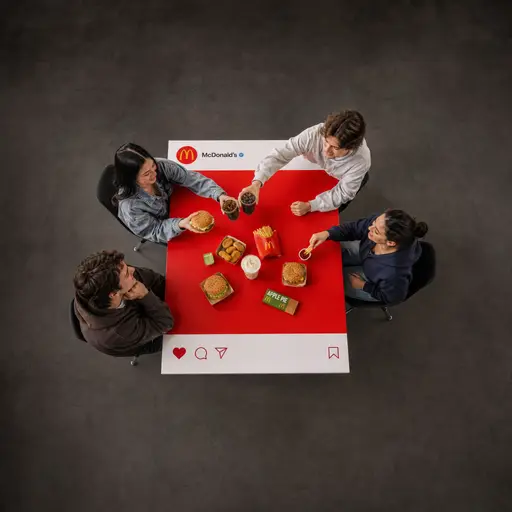
brand poster
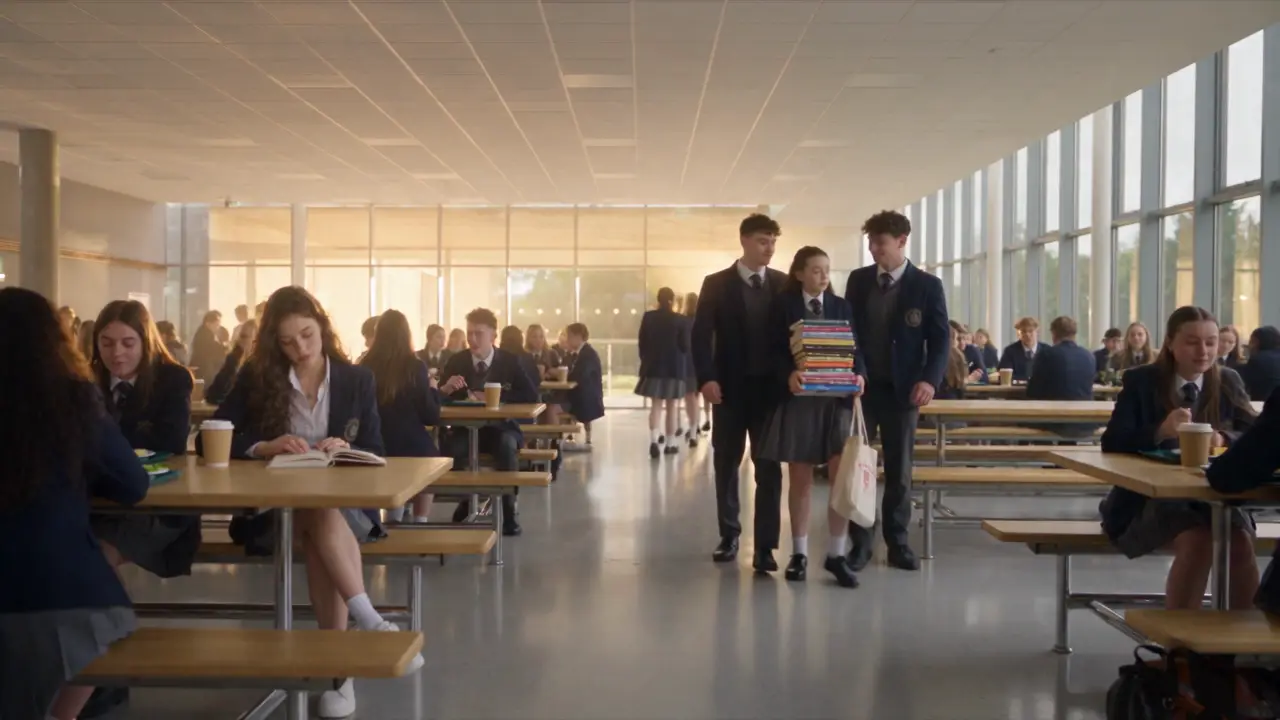
micro- drama
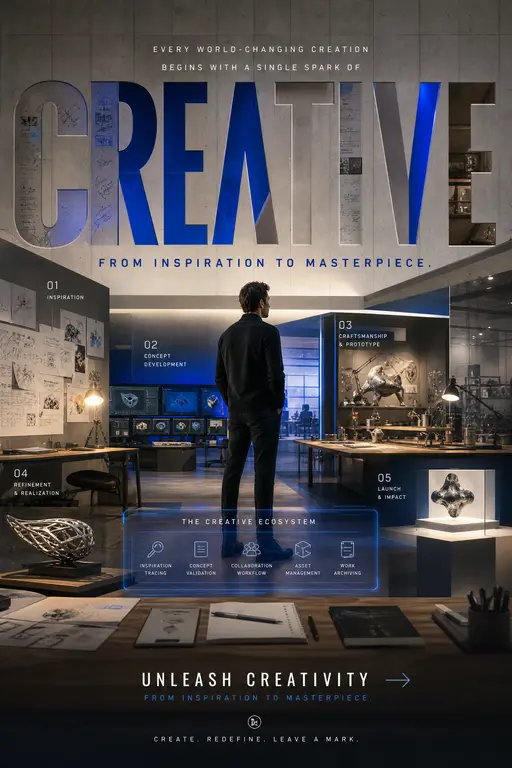
Global Brand Campaign Poster
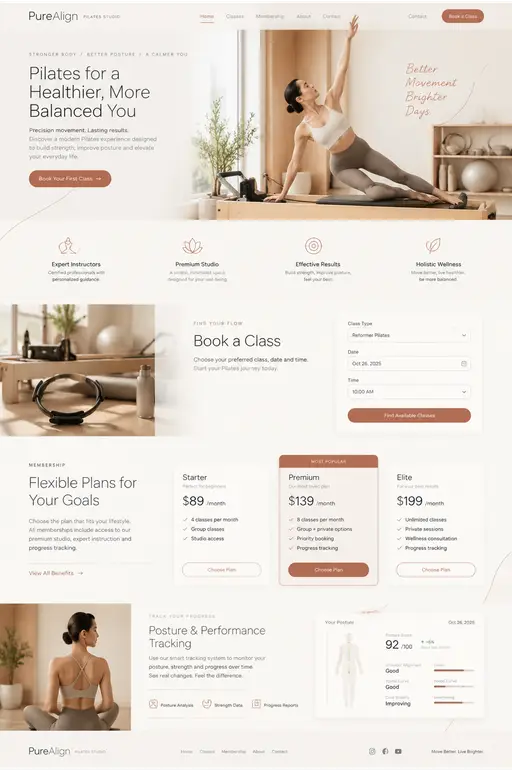
Pilates studio landing page UI design
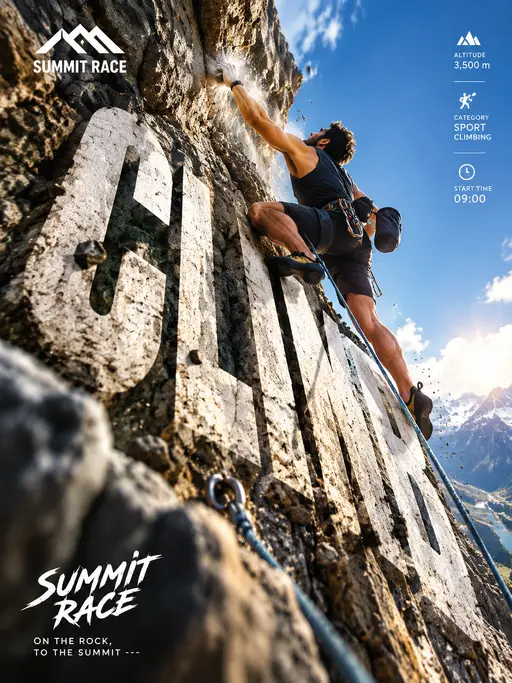
Vertical Outdoor Rock Climbing Competition Poster
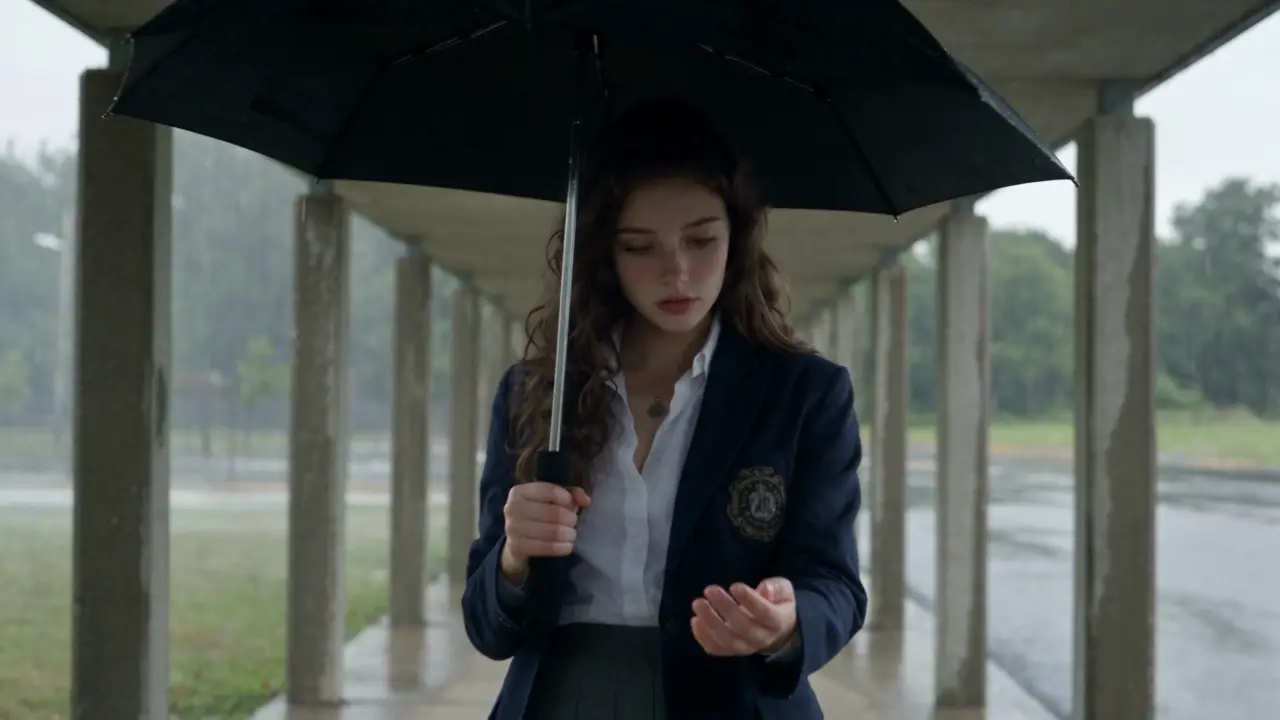
Micro-drama
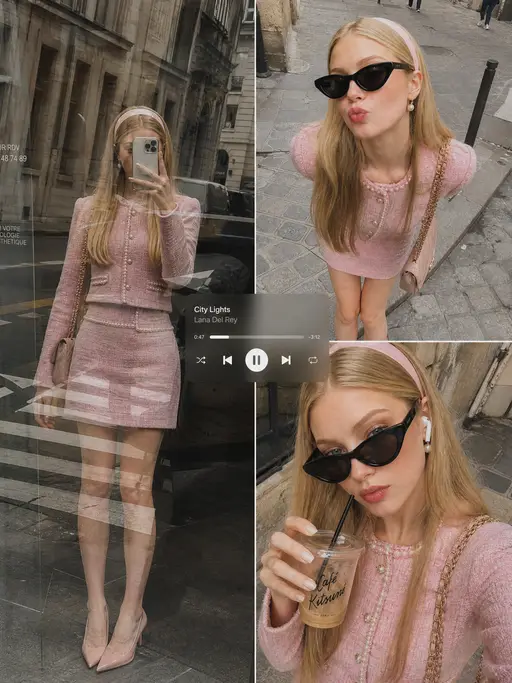
Instagram-style candid shot
2000s American teen-campus vignette
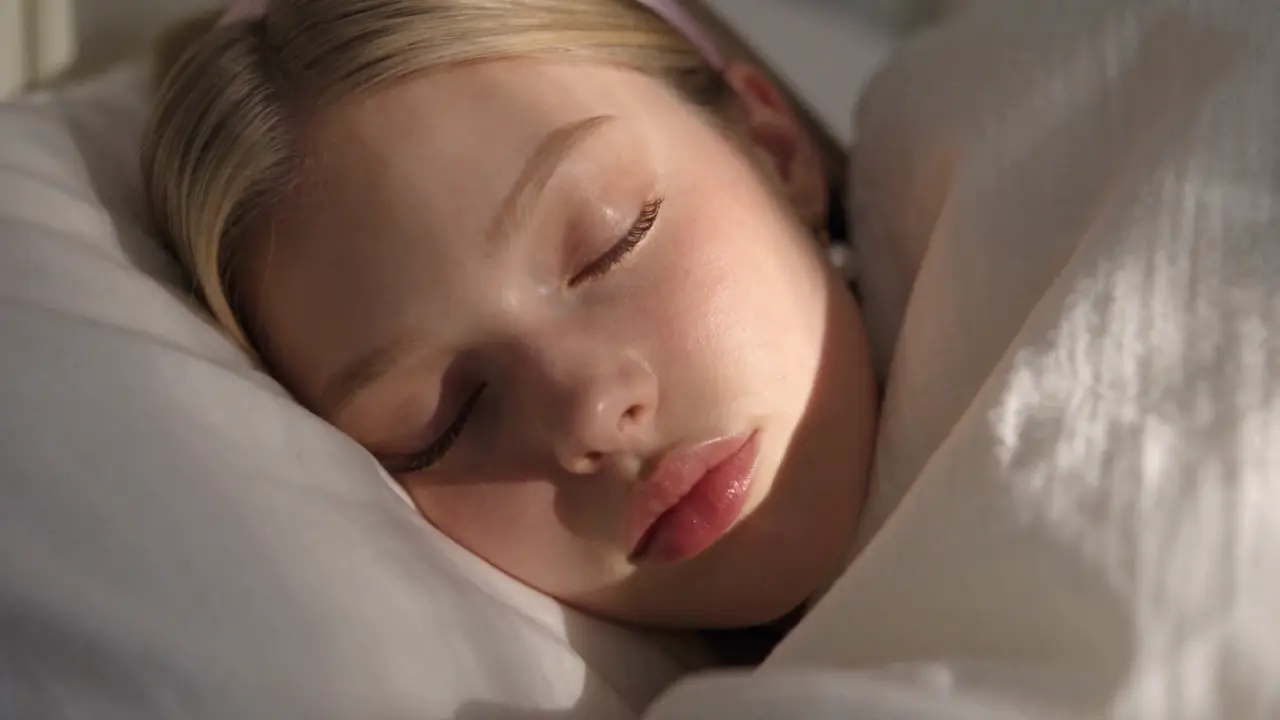
Daily routine