
Minimalist particle art poster
- Immagine
- 3:4
- 1728 × 2304
Ricetta di generazione
- modello
- GPT Image 2.0
- risoluzione
- 2K
- qualità
- medium
- riferimento
Prompt
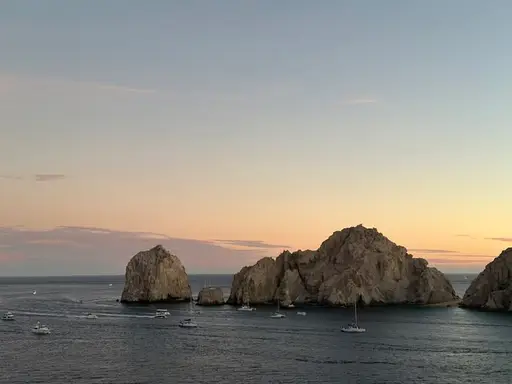
Please turn my uploaded photo into a single, standalone high-end design poster with a 3:4 vertical composition. The upper and lower halves must each occupy exactly 50% of the frame. The upper half preserves the original photo with natural lighting and authentic colors, applying only subtle high-end color grading for an art magazine or exhibition photography feel. Extend the sky, ground, or background as needed to fit the format, but do not stretch, distort, or alter the subject. The lower half extracts the subject's most recognizable silhouette, posture, and narrative, reconstructing it into a surreal minimalist printmaking visual. Compress the subject into a small, restrained visual anchor placed within generous white space, keeping only essential outlines and posture. Do not replicate complex details. Instead, transform the original movement, direction, lighting, or spatial relationships into a dynamic field around the subject. This dynamic field follows one primary movement logic based on the subject: falling, rising, flowing, diffusing outward, or forming irregular ripples. Express motion using fine lines, broken trajectories, coarse halftone dots, and grain density—denser near the core and fading toward the edges. Avoid stacking multiple effects; let one subject, one movement, and one vast spatial relationship define the image. Extract the most spirited dominant color from the upper photo to build a strict 2-3 color palette with warm white, ivory, or natural paper tone, plus minimal black. Purify and intensify the dominant color slightly for impact without digital artificiality. Create depth through halftone density, ink overprinting, and paper white space rather than gradients. Retain silkscreen, Risograph, coarse grain, paper texture, uneven ink, and slight misregistration. Avoid CG, 3D, realistic lighting, or smooth digital illustration qualities. Establish a restrained experimental art book typography system. Derive a very short English title from the photo's action, mood, or metaphor, paired with 2-4 groups of micro-text such as short phrases, location tags, serial numbers, coordinates, or observational notes. Arrange text along horizons, movement paths, or white space edges. Use vertical layouts, rotation, wide letter-spacing, or embed text within the grain field so typography actively participates in the spatial composition. The final piece should feature an extremely small subject against vast white space with strong scale contrast, a single dynamic field, and coarse print texture. The mood is quiet, lonely, mysterious, poetic, and slightly surreal. Whether the subject is a person, animal, plant, building, or landscape, maintain a clear identity link between the real photograph above and the abstract field below. Avoid complex scenes, multiple focal points, decorative clutter, ordinary gradients, commercial poster aesthetics, and template designs
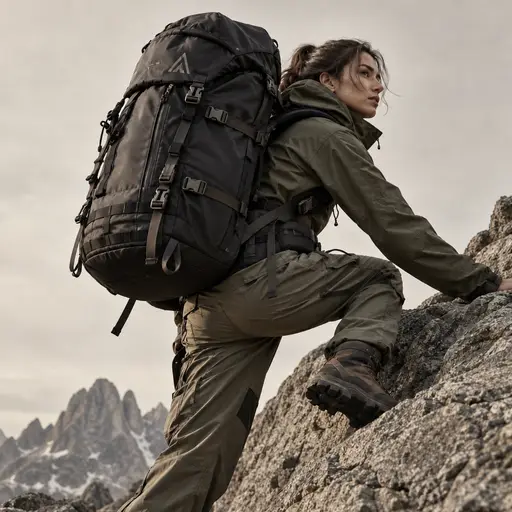
outdoor photography
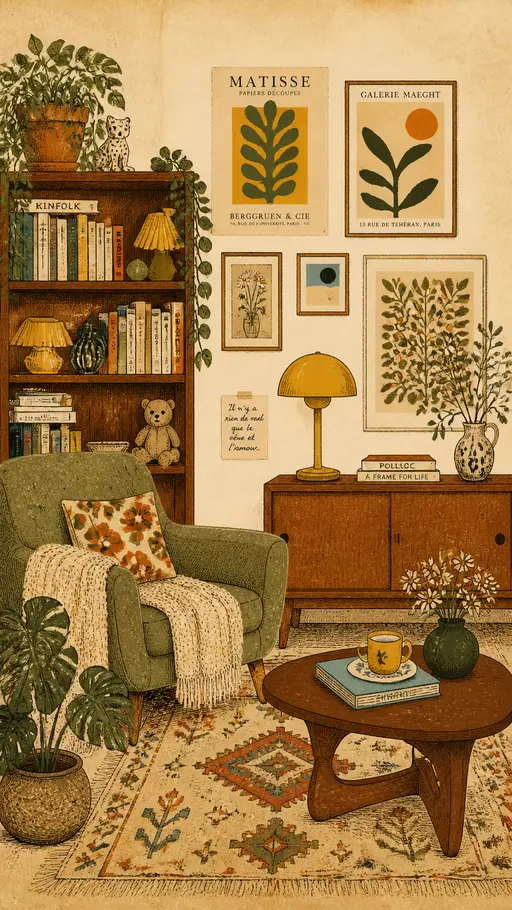
vintage interior illustration

perfume advertising poster
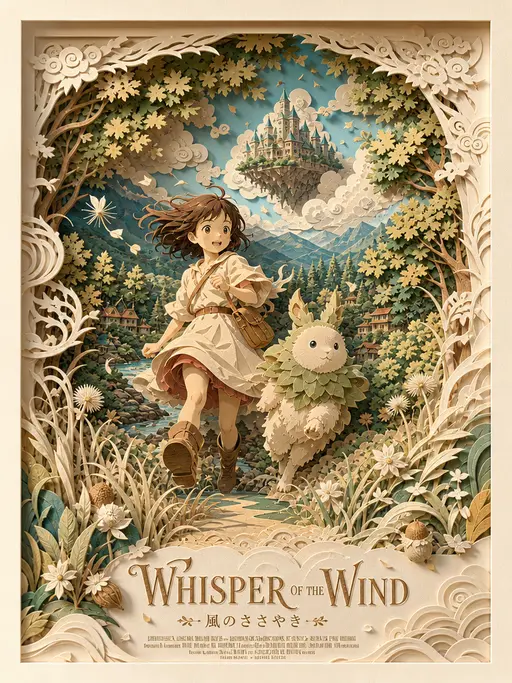
3D layered papercraft poster
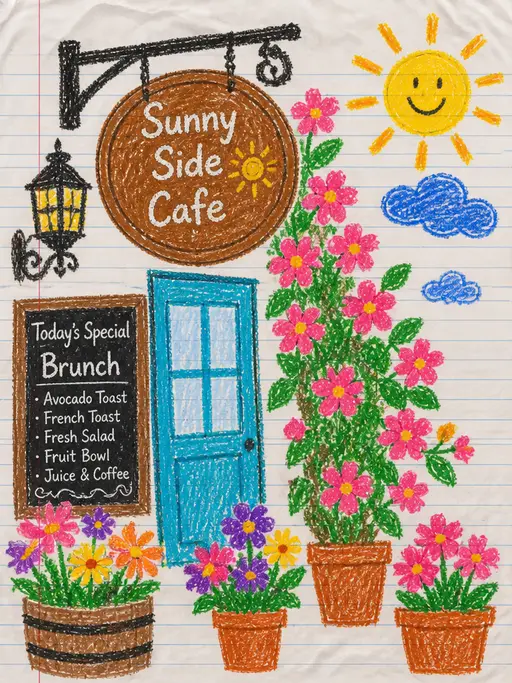
child's crayon drawing
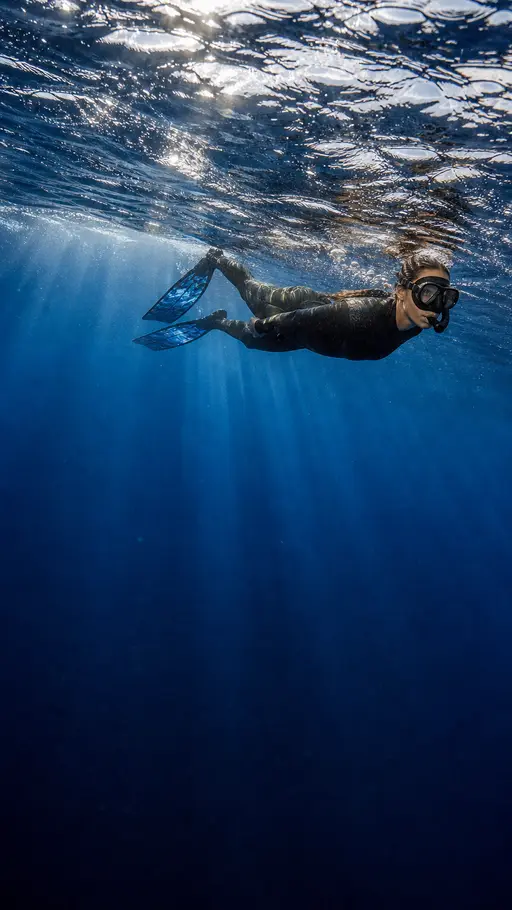
Underwater photography
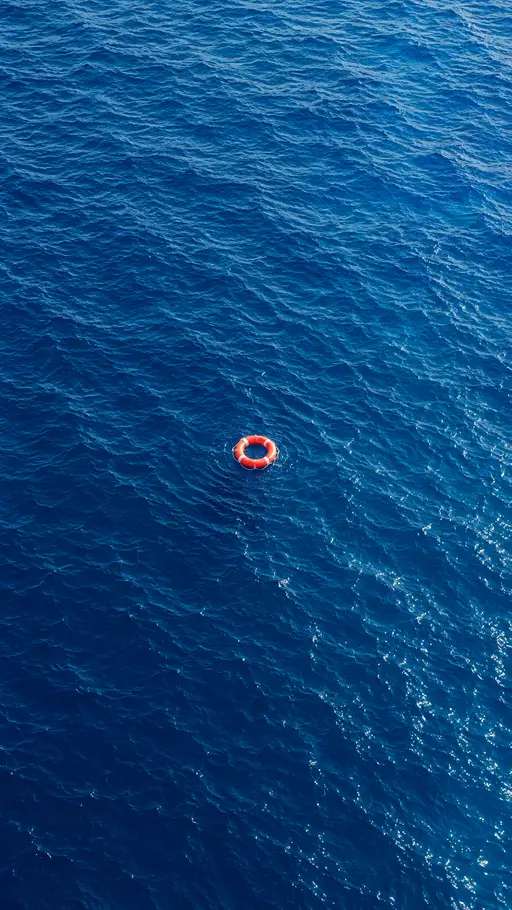
blue ocean
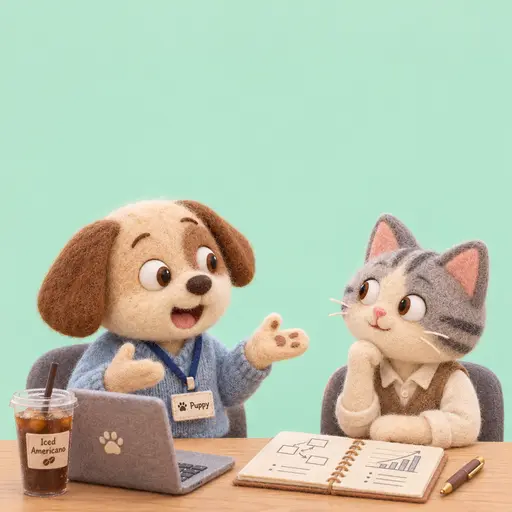
Felt-textured cartoon avatars
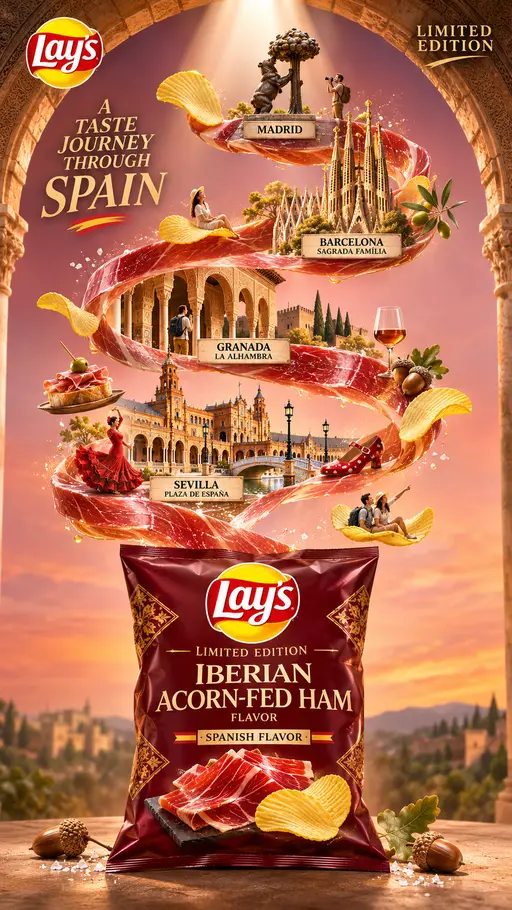
Creative Potato Chip Posters
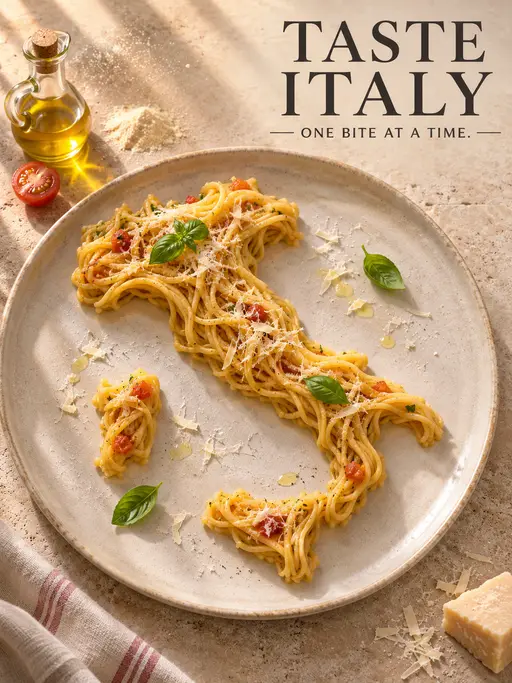
Food Advertising Posters
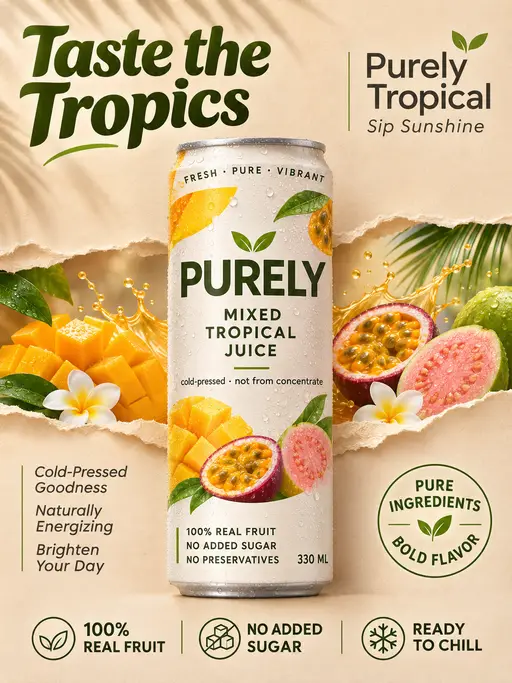
Fruit Juice Product Poster
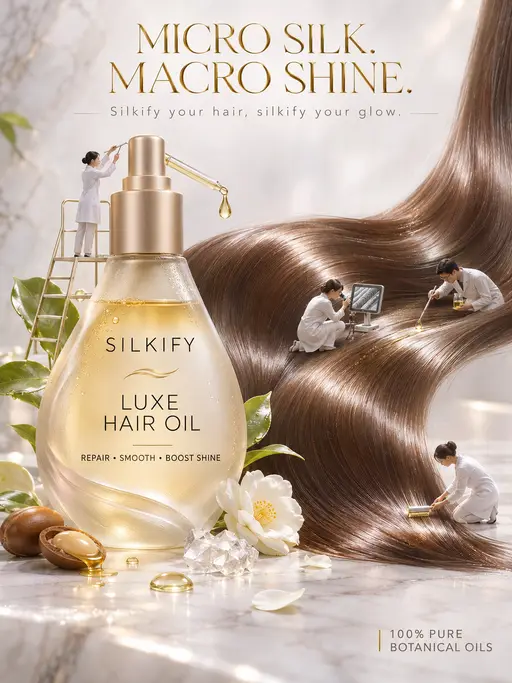
Advertisement Poster for Hair Care Essential Oil
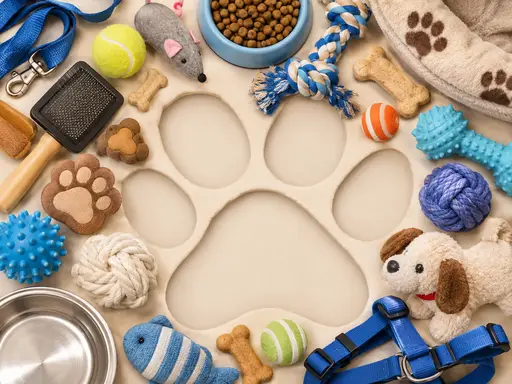
Pet Lifestyle Theme Creation
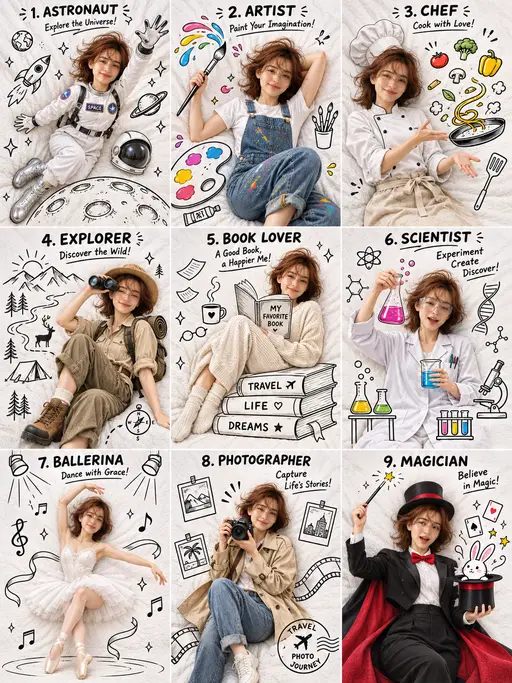
3×3 collage
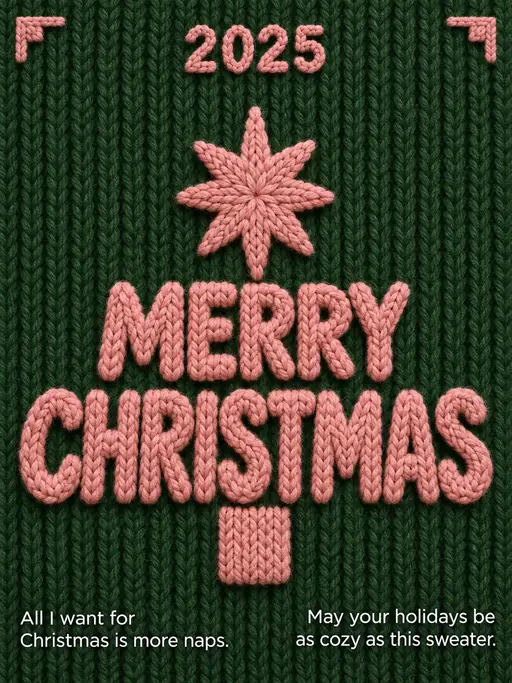
Christmas poster